Justine Sauri White

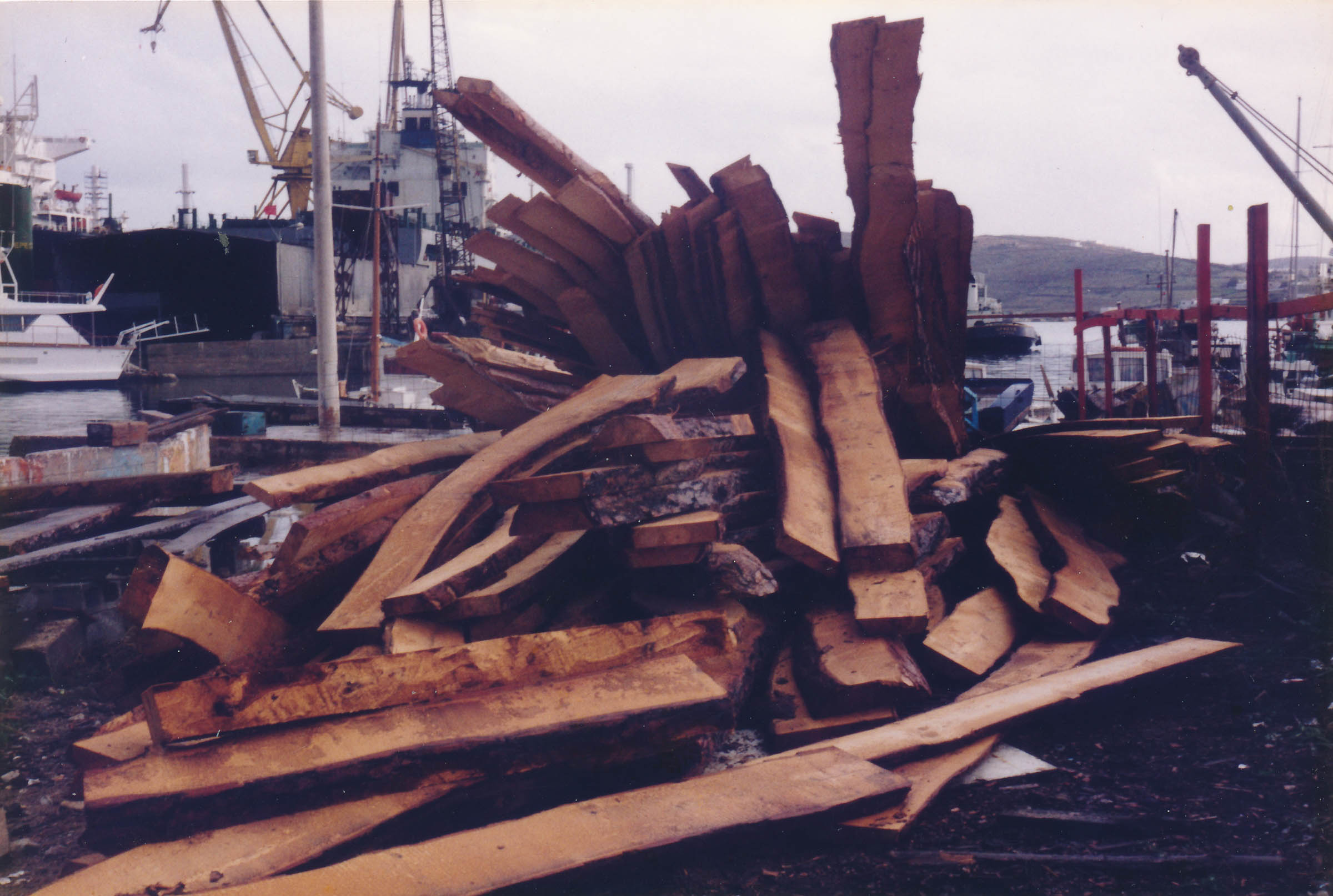
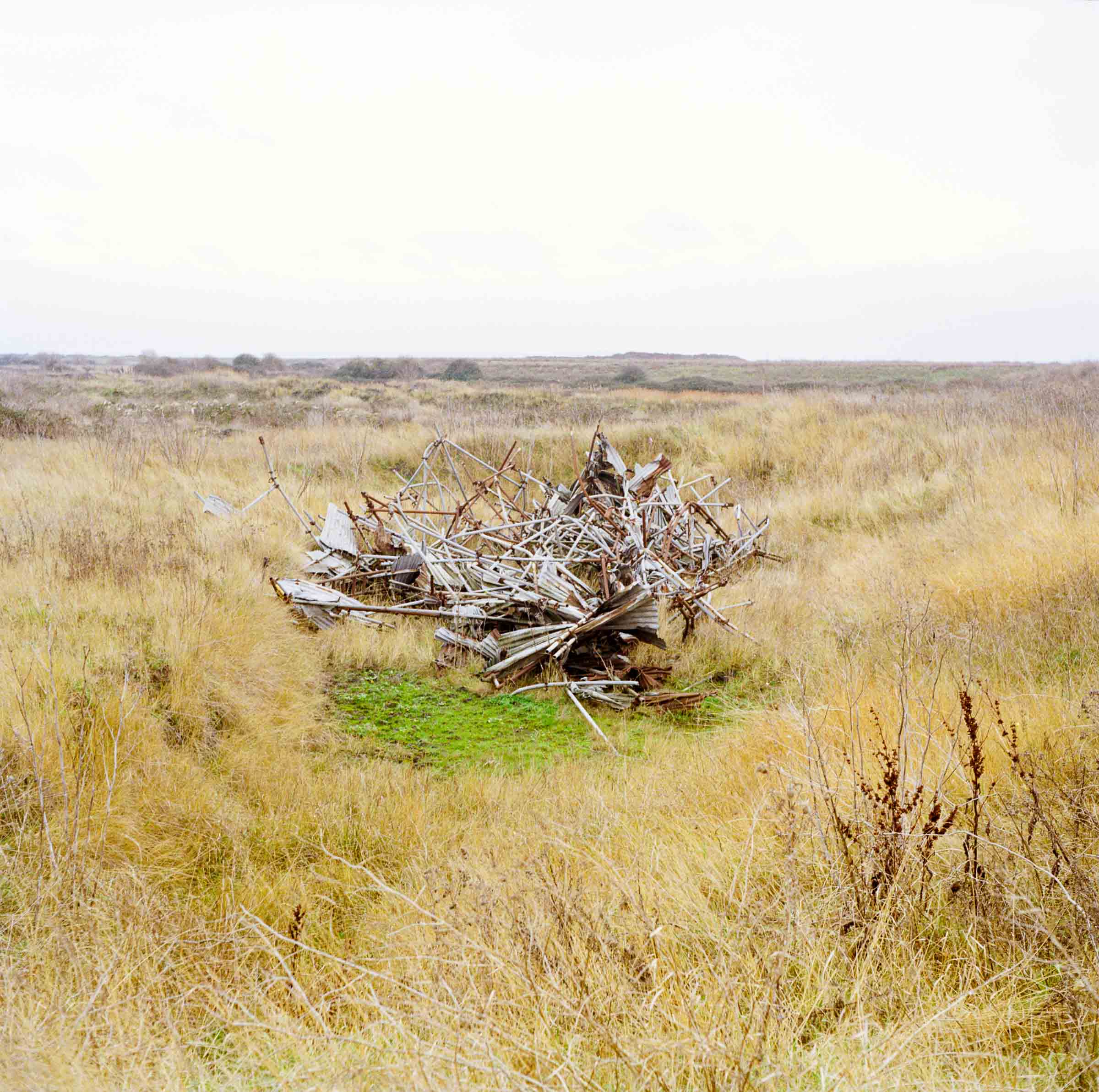
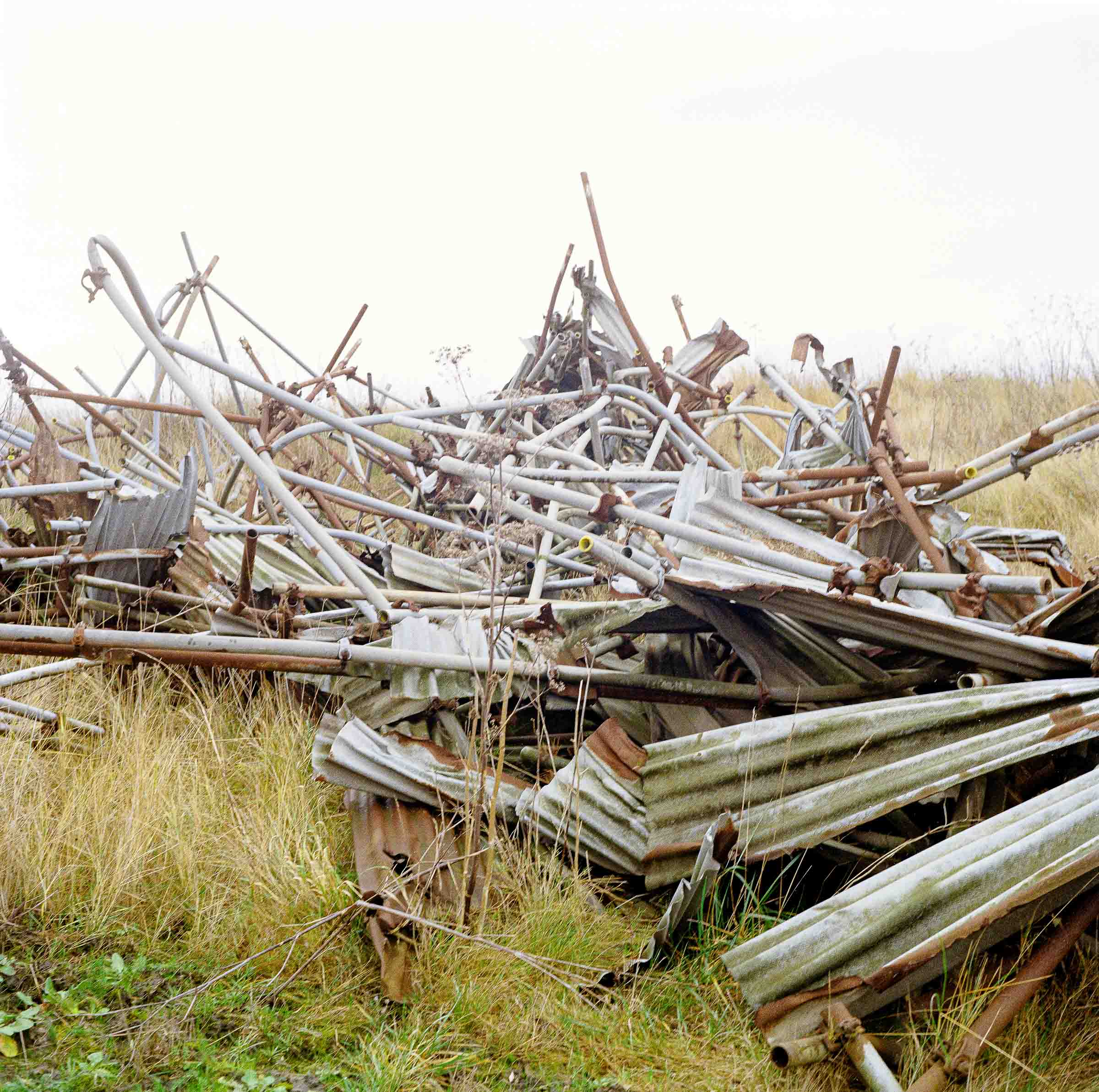
Tilbury metal, far view
Tilbury metal, close view

TRACING THE AFTERIMAGE collaboration with Alistair Maskell

Installation, Presented at RCA2026 and the Tallinn Architecture Biennale.
Nominated for the RCA Head of Programme Prize and the Image and Drawing Prize

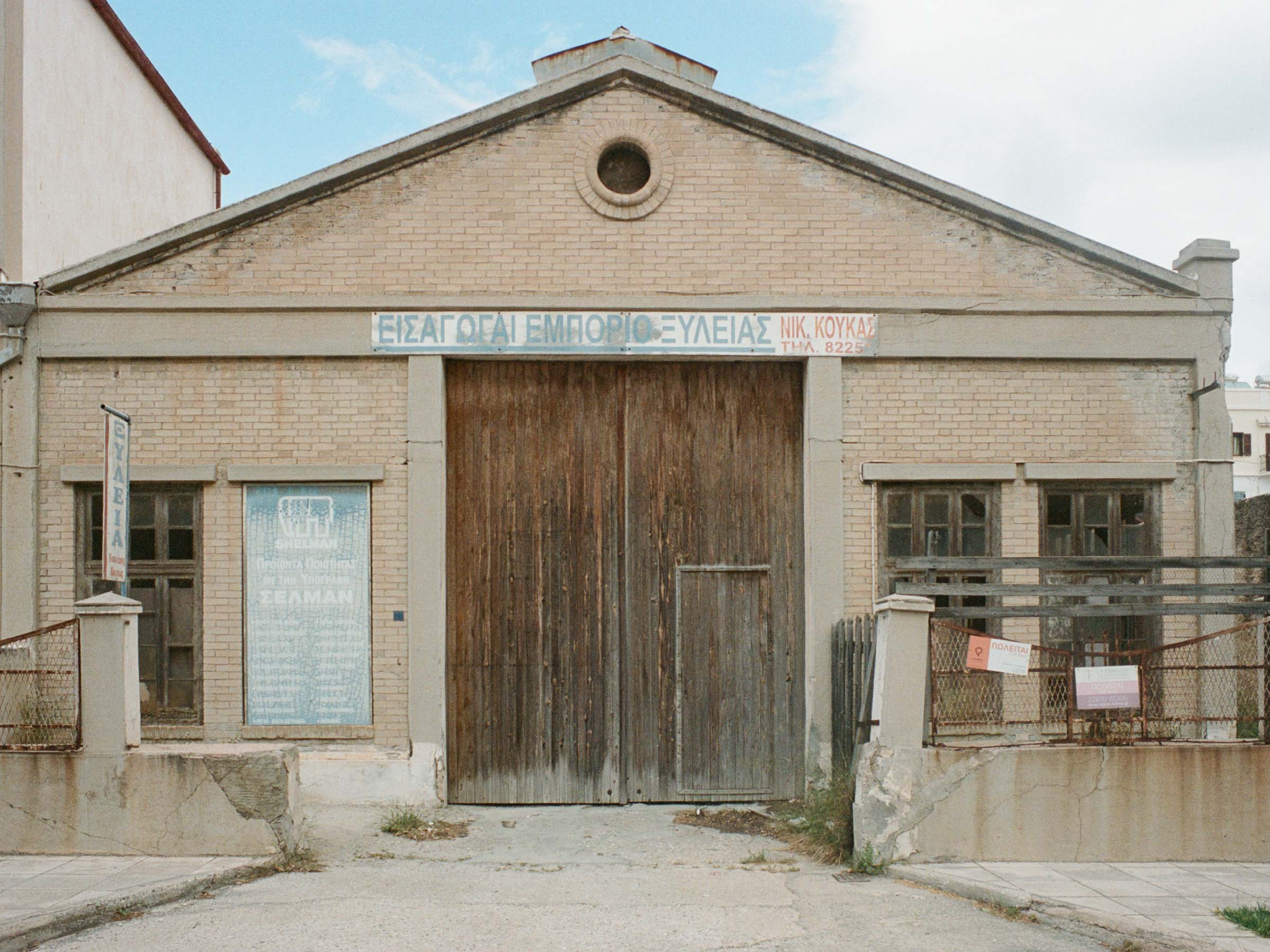
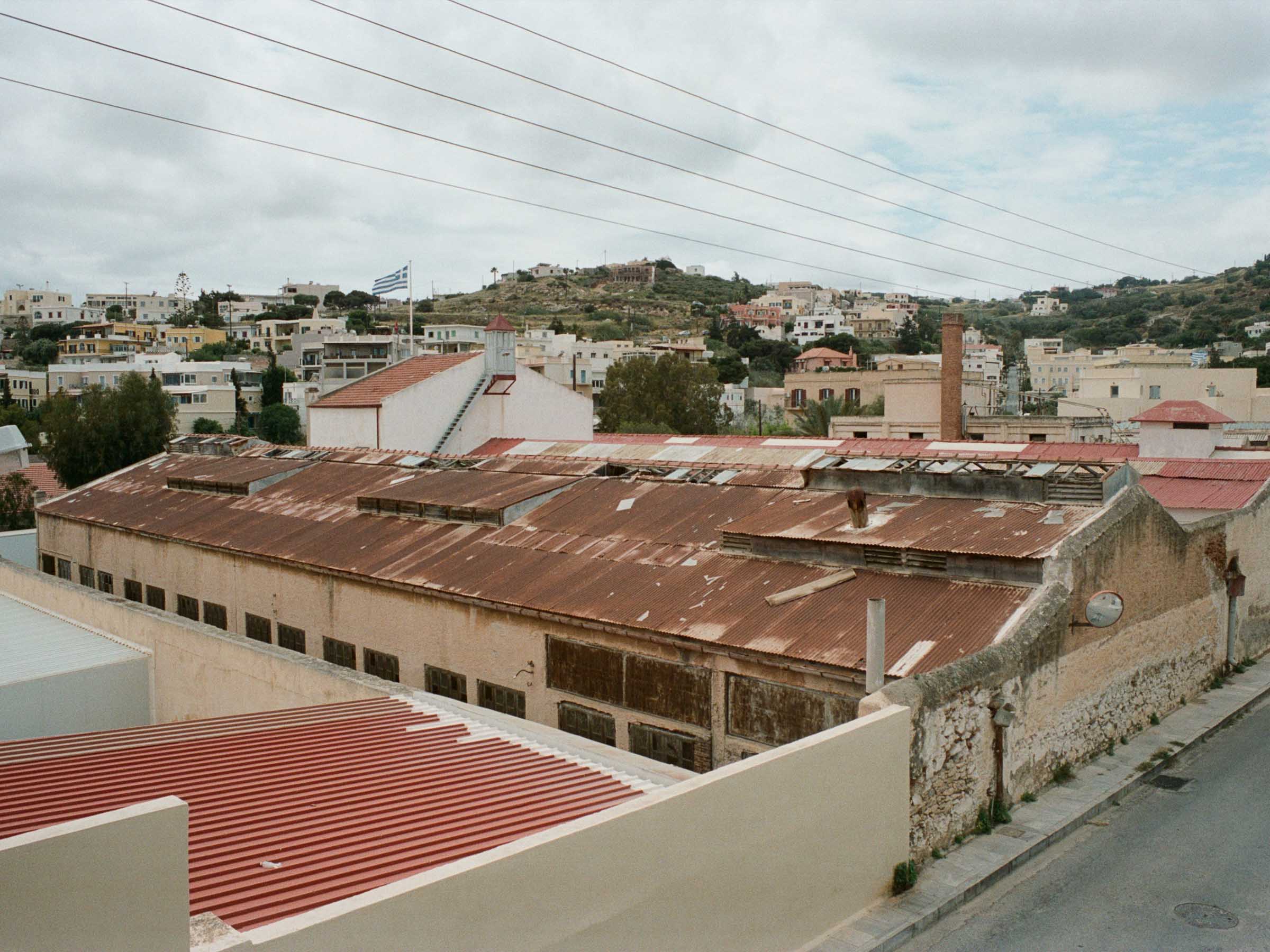
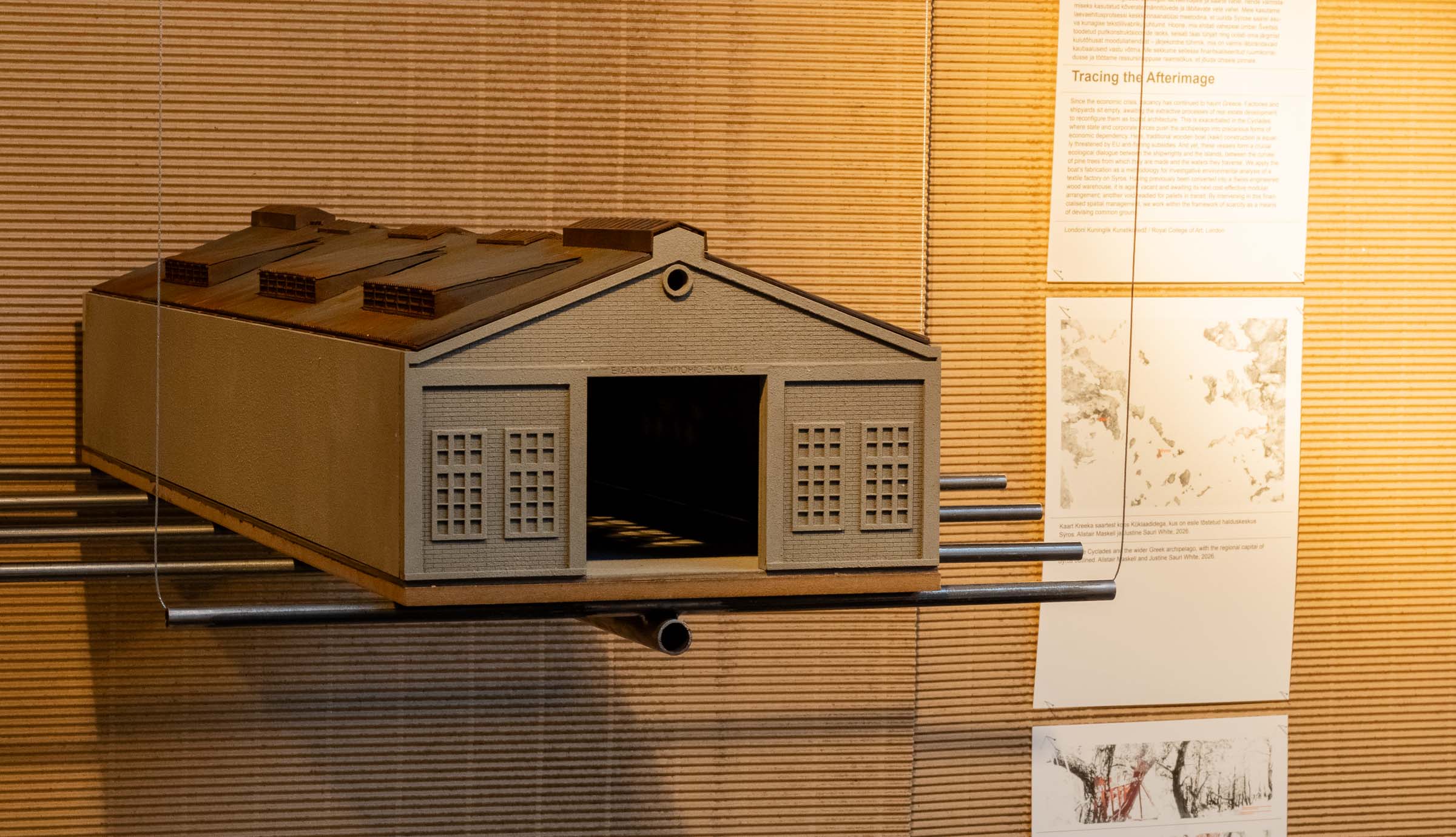
Tracing the Afterimage concerns the continuing effects of the Greek Government-Debt Crisis on Architecture in the Aegean, particularly the condition of vacancy. It is not uncommon for factories and shipyards to sit empty, awaiting the extractive processes of real estate development to reconfigure them as tourist architectures. This is exacerbated in the Cyclades where state and corporate forces push the archipelago into precarious forms of economic dependency. Here, traditional wooden boat (kaiki) construction is equally threatened by EU anti-fishing subsidies. And yet, these vessels form a crucial ecological dialogue between the shipwrights and the islands, between the curves of pine trees from which they are made and the waters they traverse. We applied the boat’s fabrication as a methodology for investigative environmental analysis of a textile factory on Syros. Having previously been converted into a Swiss engineered wood warehouse, it was again vacant and awaiting its next cost-effective modular arrangement, another void readied for pallets in transit. By intervening in this financialised spatial management, we work within the framework of scarcity as a means of devising common grounds.
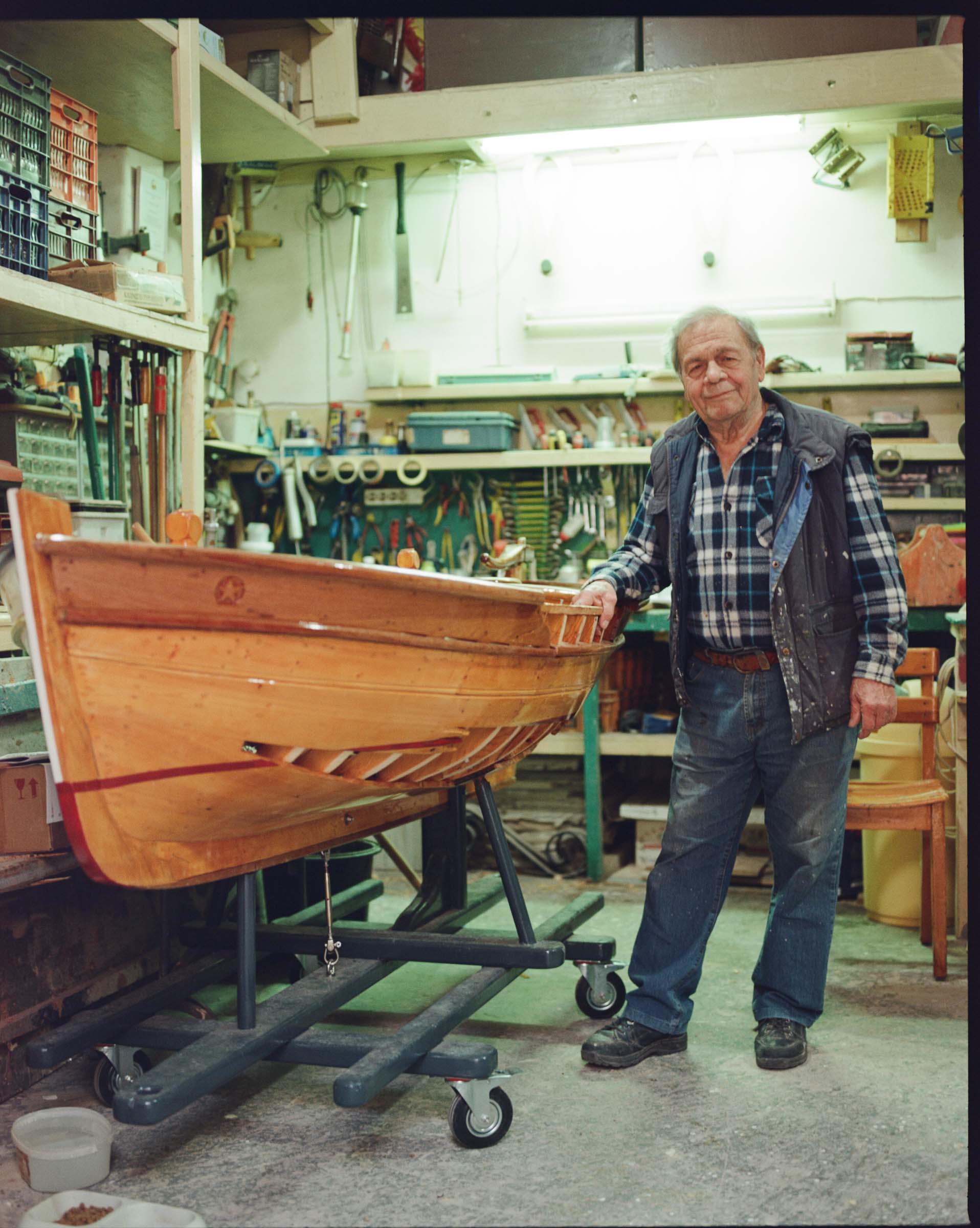
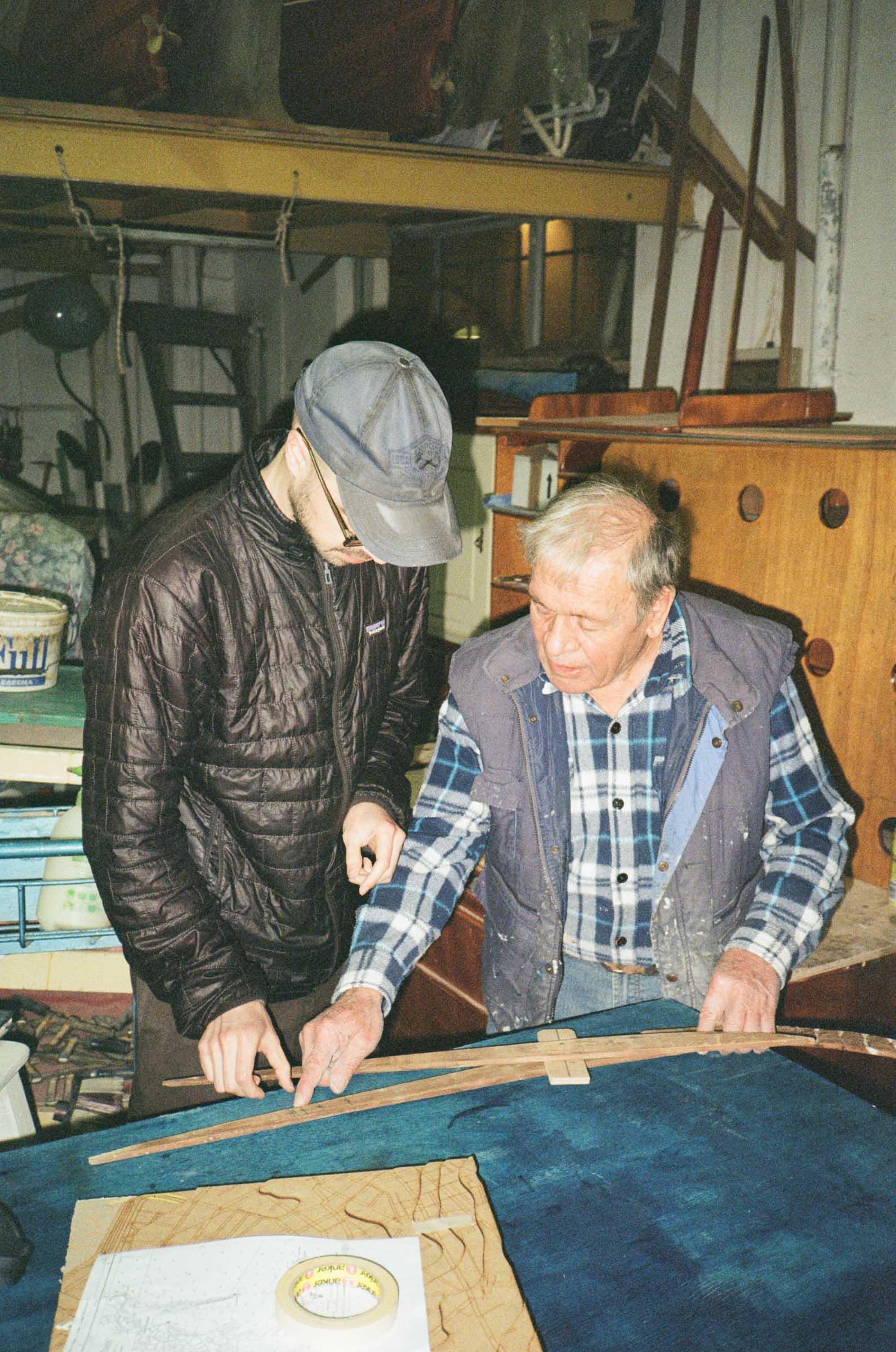
Shipwright Captain Manolis Zorzos in his workshop, February 2026. Photograph.
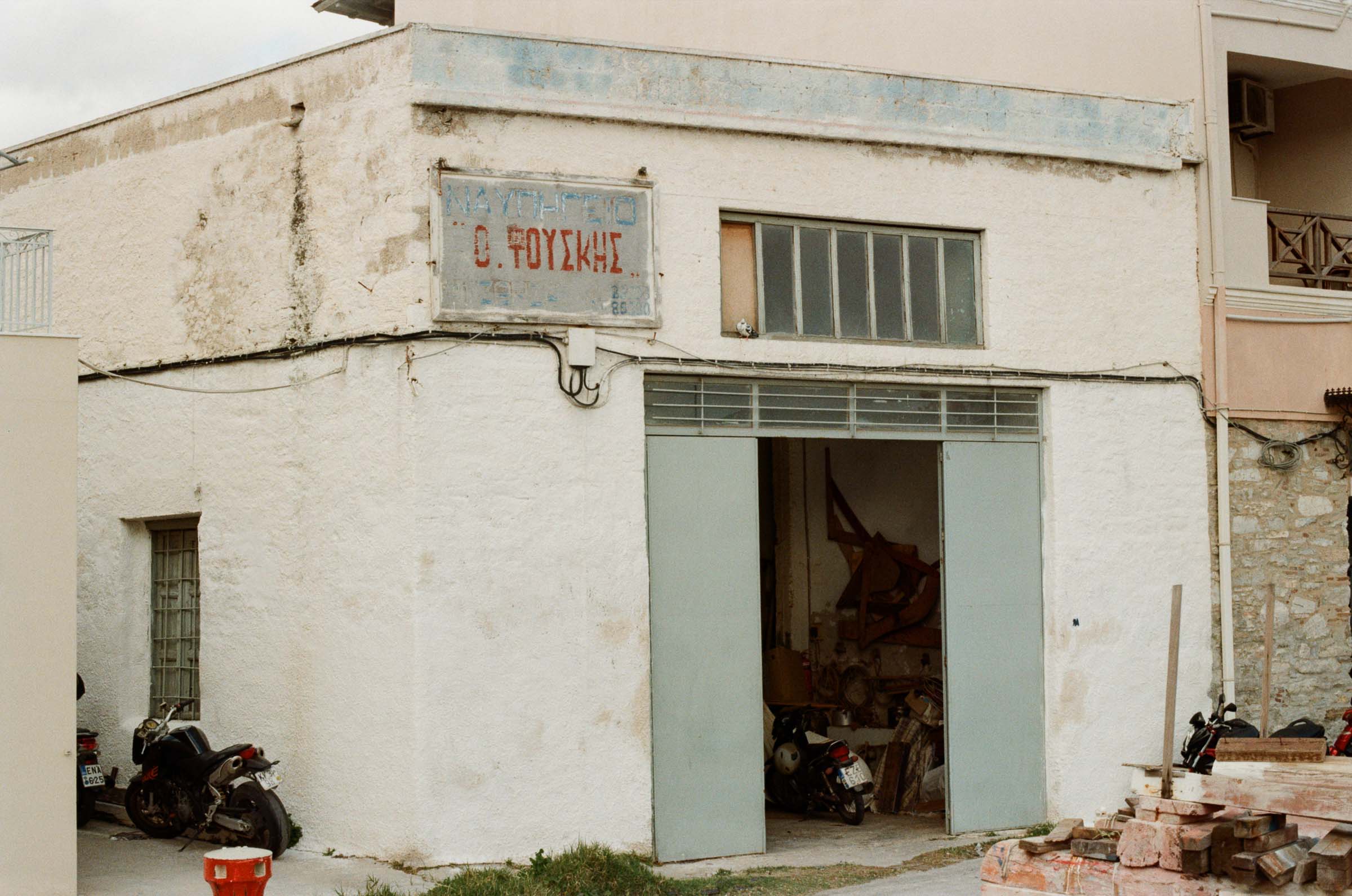
Exterior view of Captain Manolis’ boatbuilding shop on Syros. Photograph.
Calabrian pine arrives on Syros from Lesbos circa 1980. Image courtesy of Archipelago Network.
Captain Manolis demonstrates to us the monochnaro, the three piece jig used to sketch the curves of a boat seen on the following spread. Photograph.
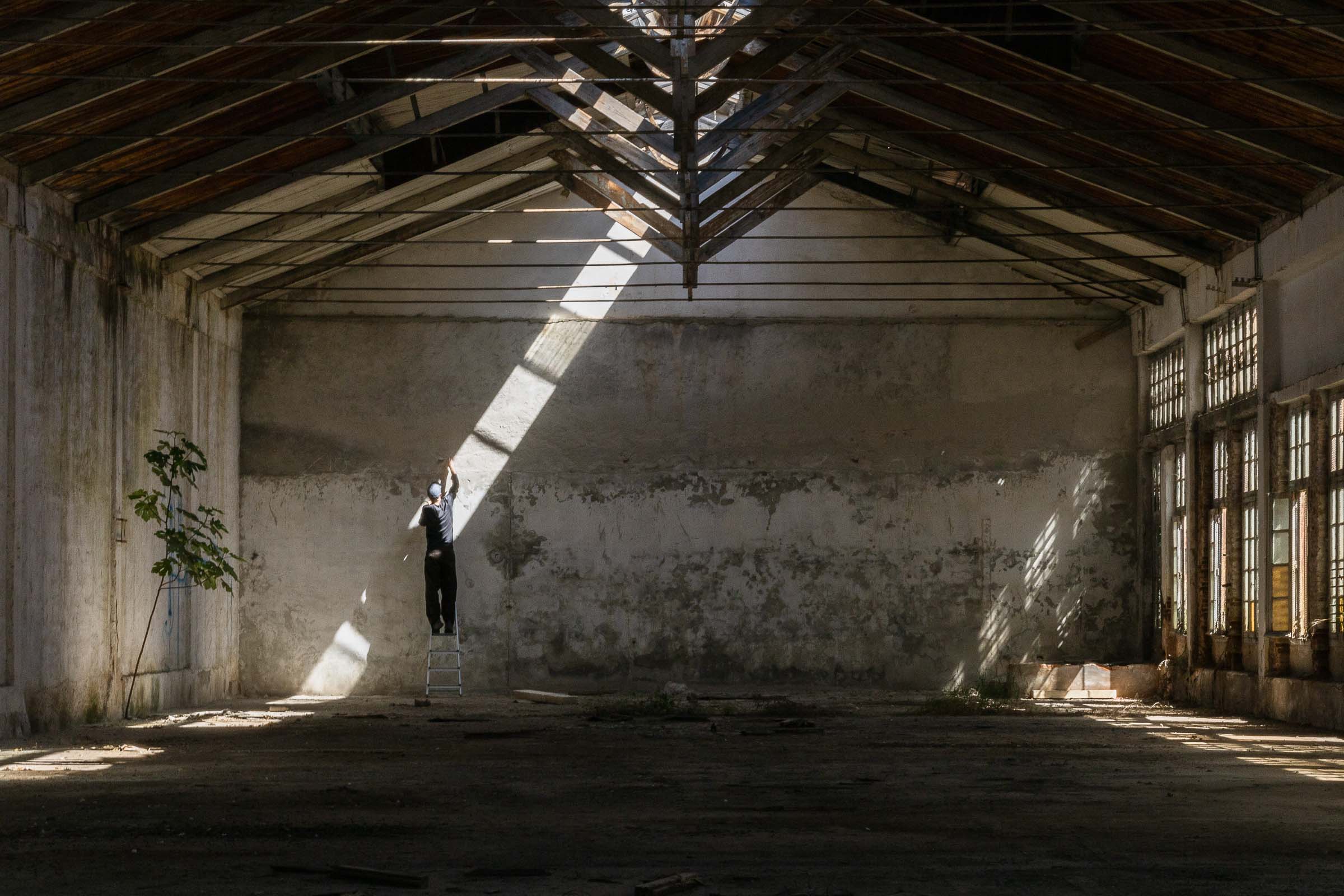
Detail of marking ‘11’ on the rear wall of the Krystallis factory. Photograph.
Chalk engravings made on the rear wall of the Krystallis textile factory marking the width and angle of light entering through the central skylight. The numbers (10-17) indicate the hour of the day.

Below 1:1 hand drawing used to produce curves
for the kaiki model. Pencil on paper. 160 x 132 cm.
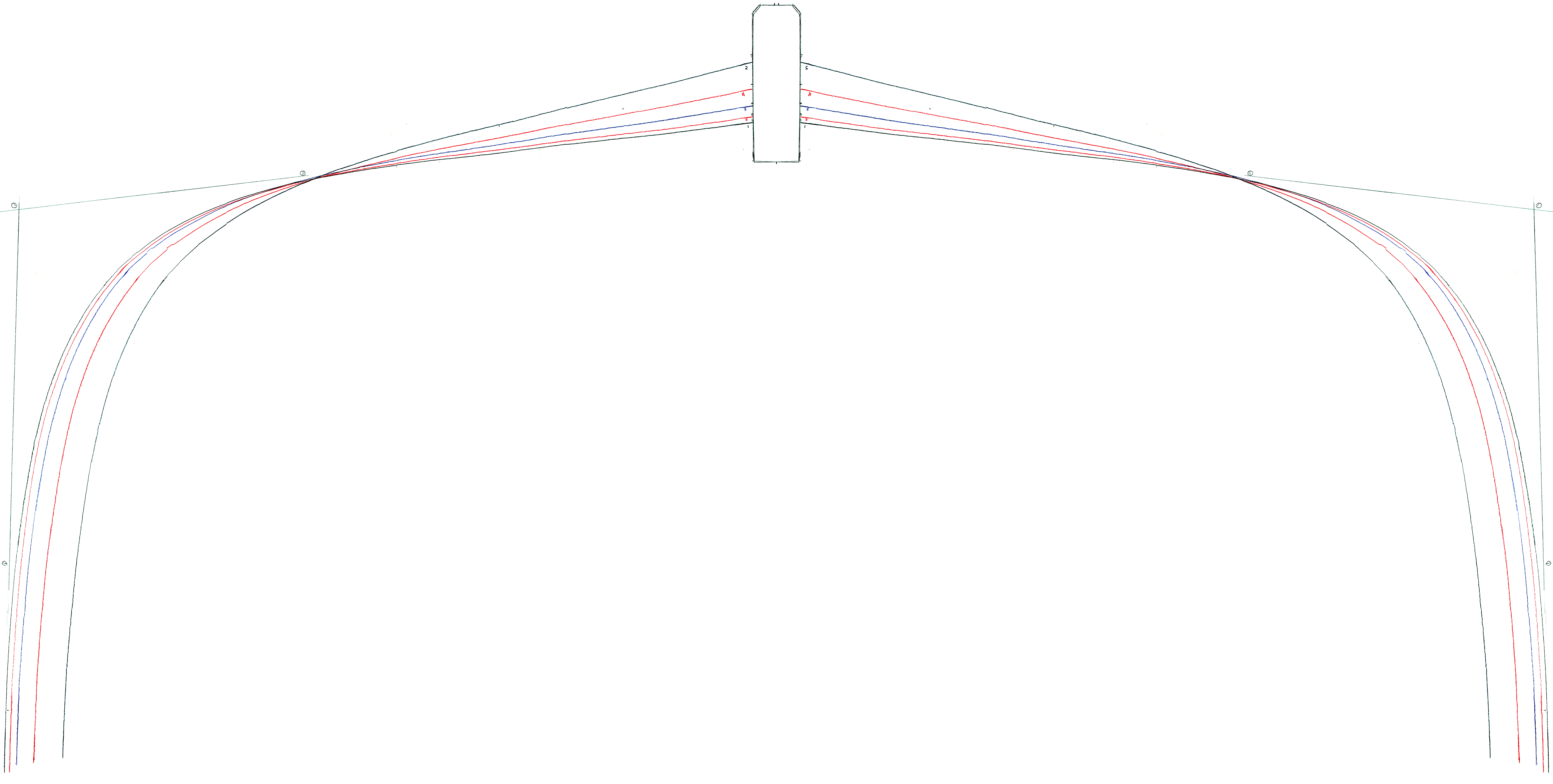
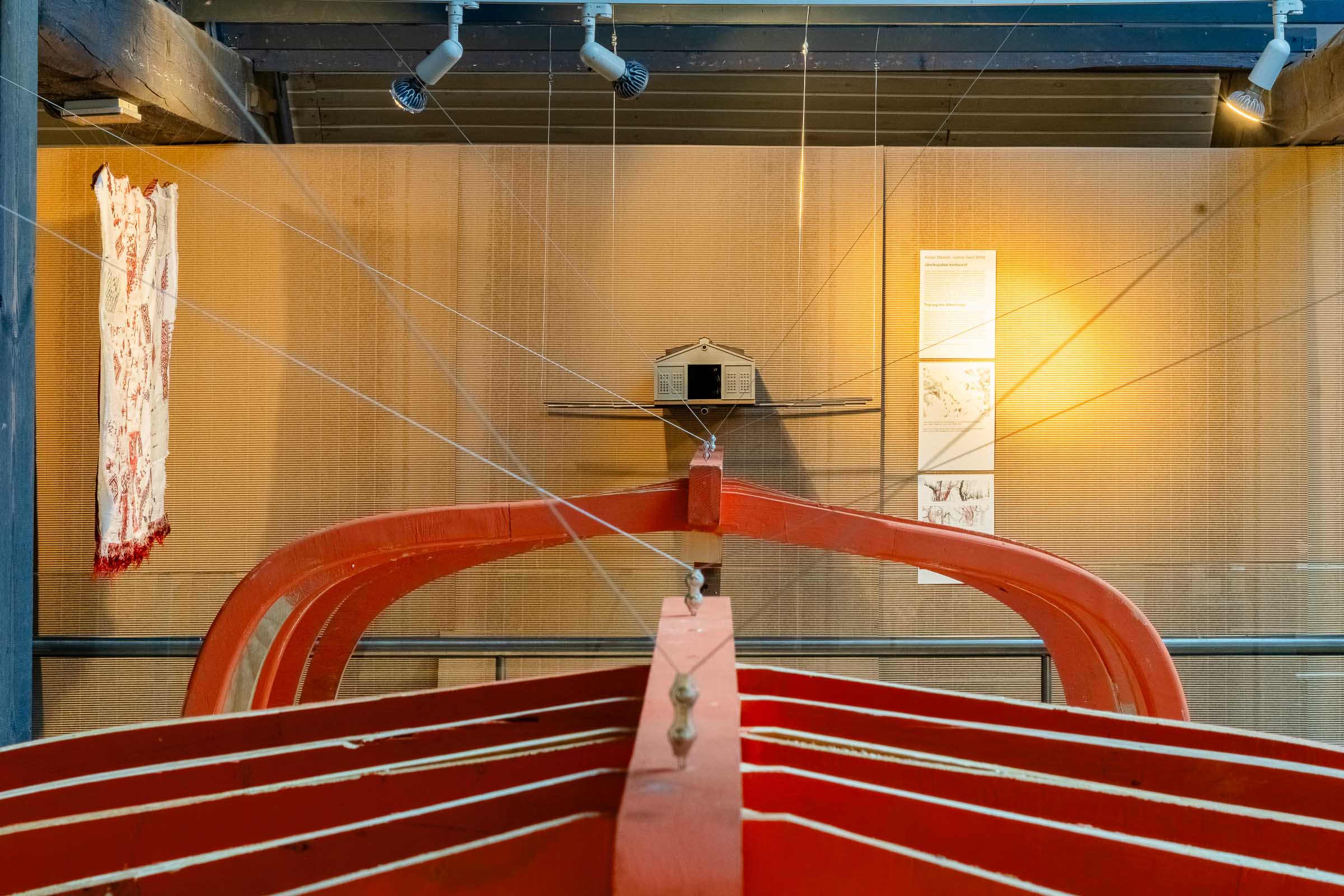
1:1 hand drawing used to produce curves for the kaiki model. Pencil on paper. 160 x 132 cm.
Eye level view of the 1:1 kaiki model. Salvaged pine, cedar, and plywood. 350 x 160 x 132 cm.

Above Eye level view of the
1:1 kaiki model. Salvaged
pine, cedar, and plywood.
350 x 160 x 132 cm.
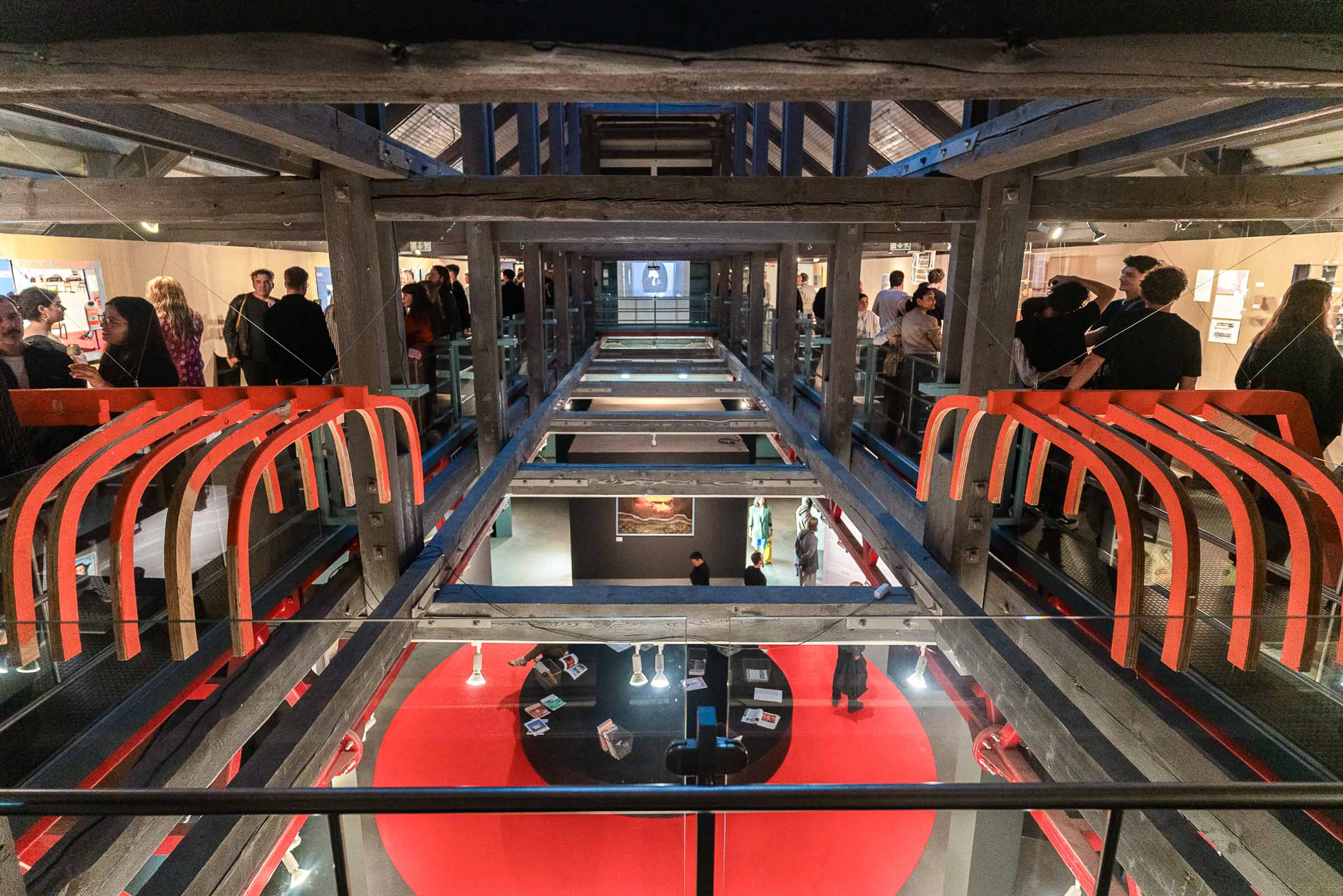
Kaiki model as presented at the opening night of the 2026 Tallinn Architecture Biennale.
Right Kaiki model as
presented at the opening
night of the 2026 Tallinn
Architecture Biennale.
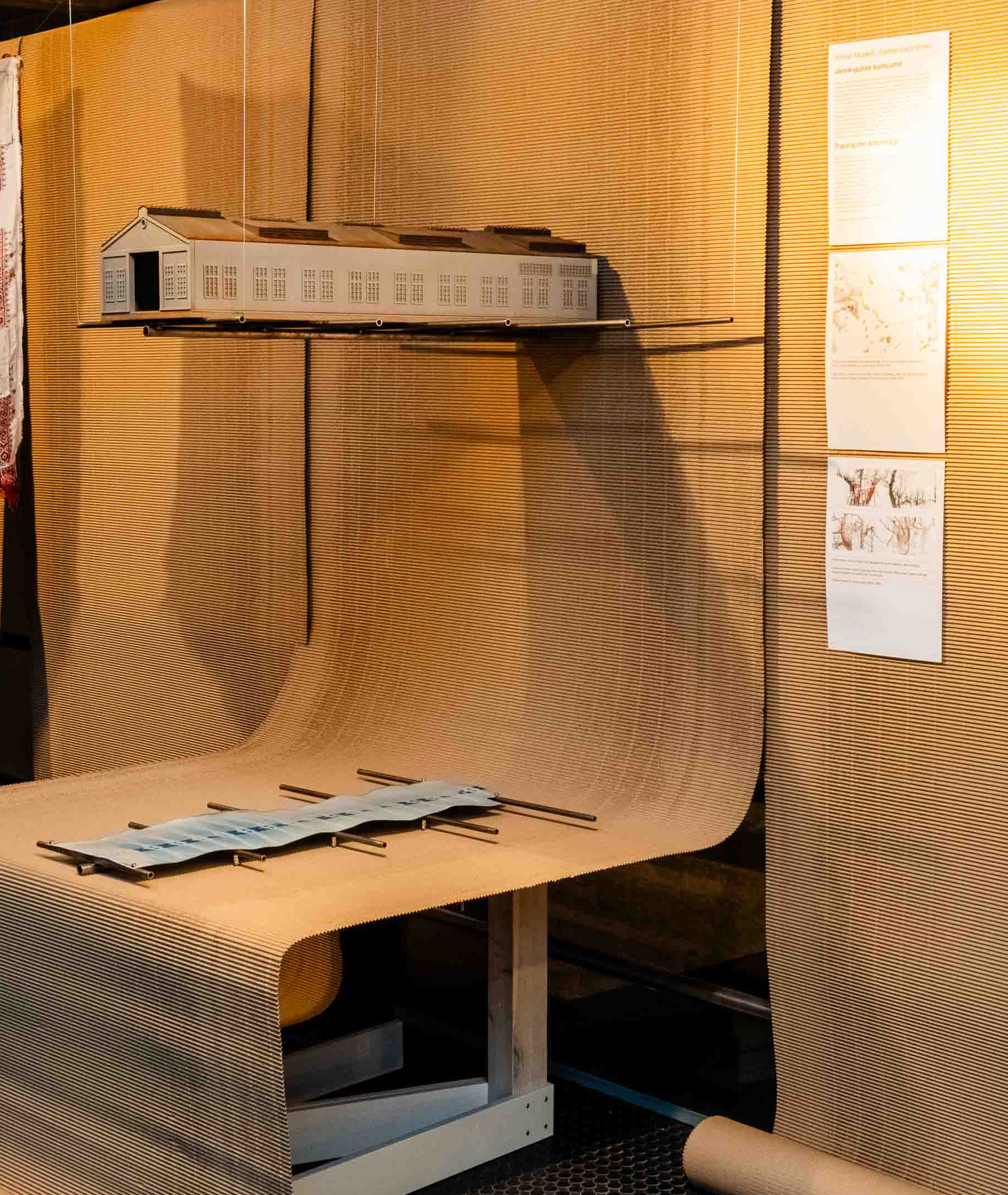
Installation view of model textile factory with cyanotype print.
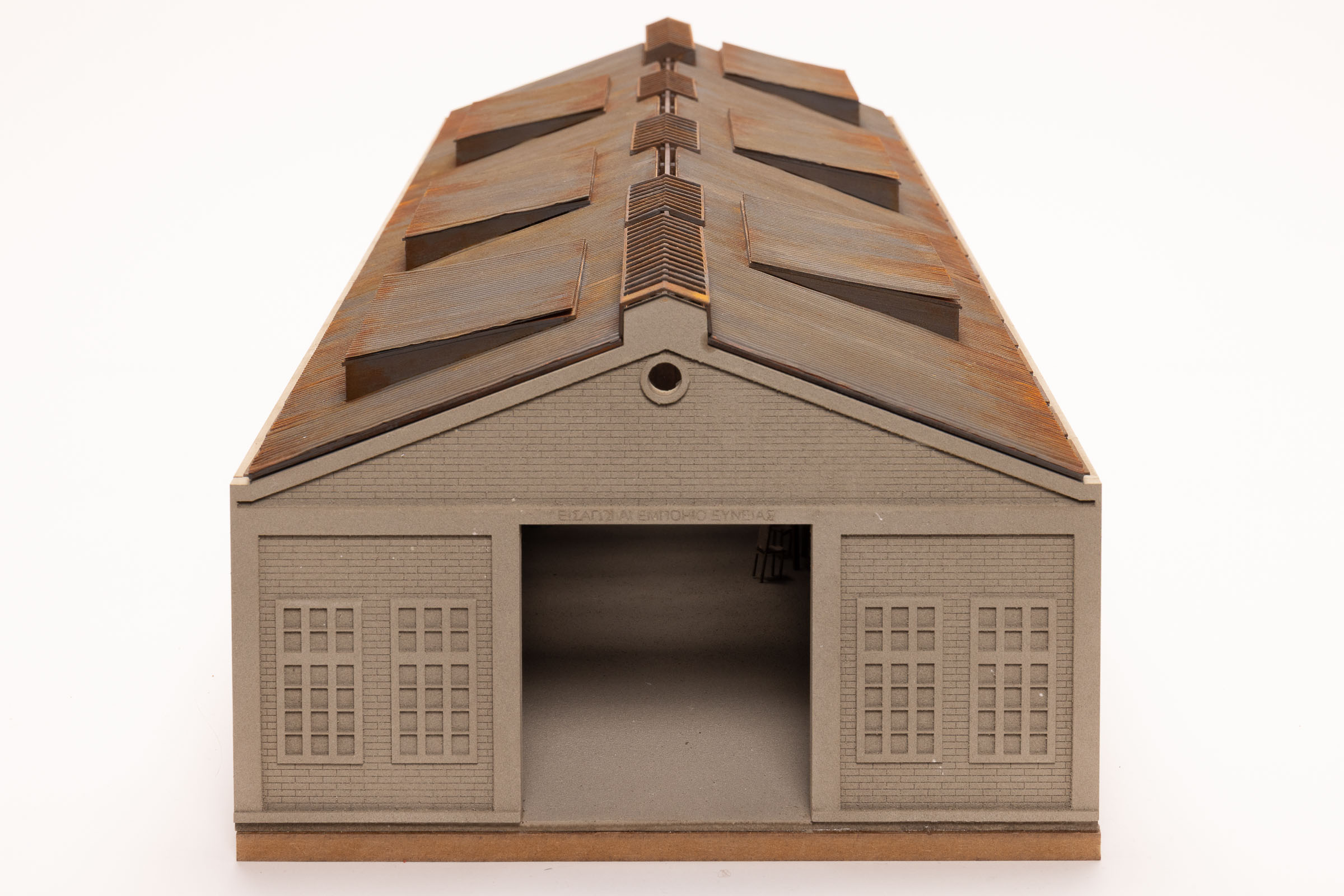
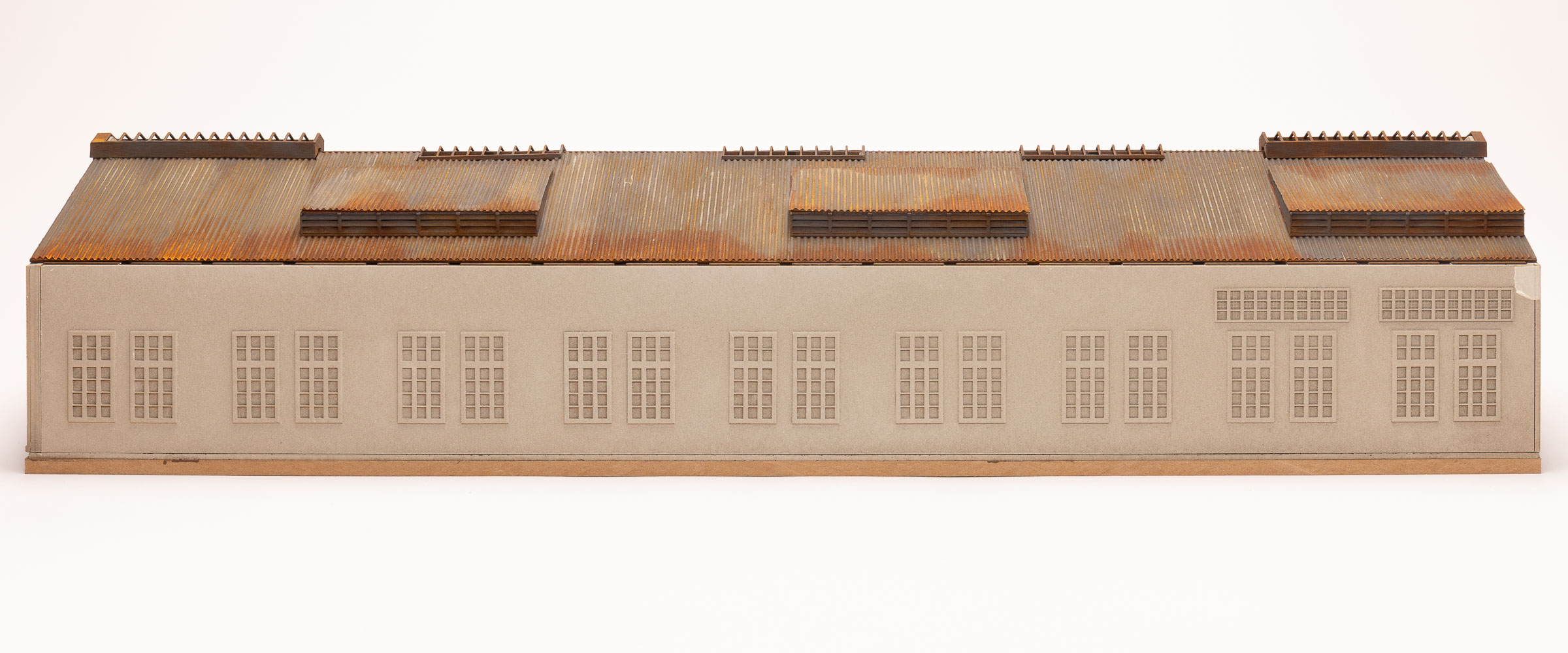
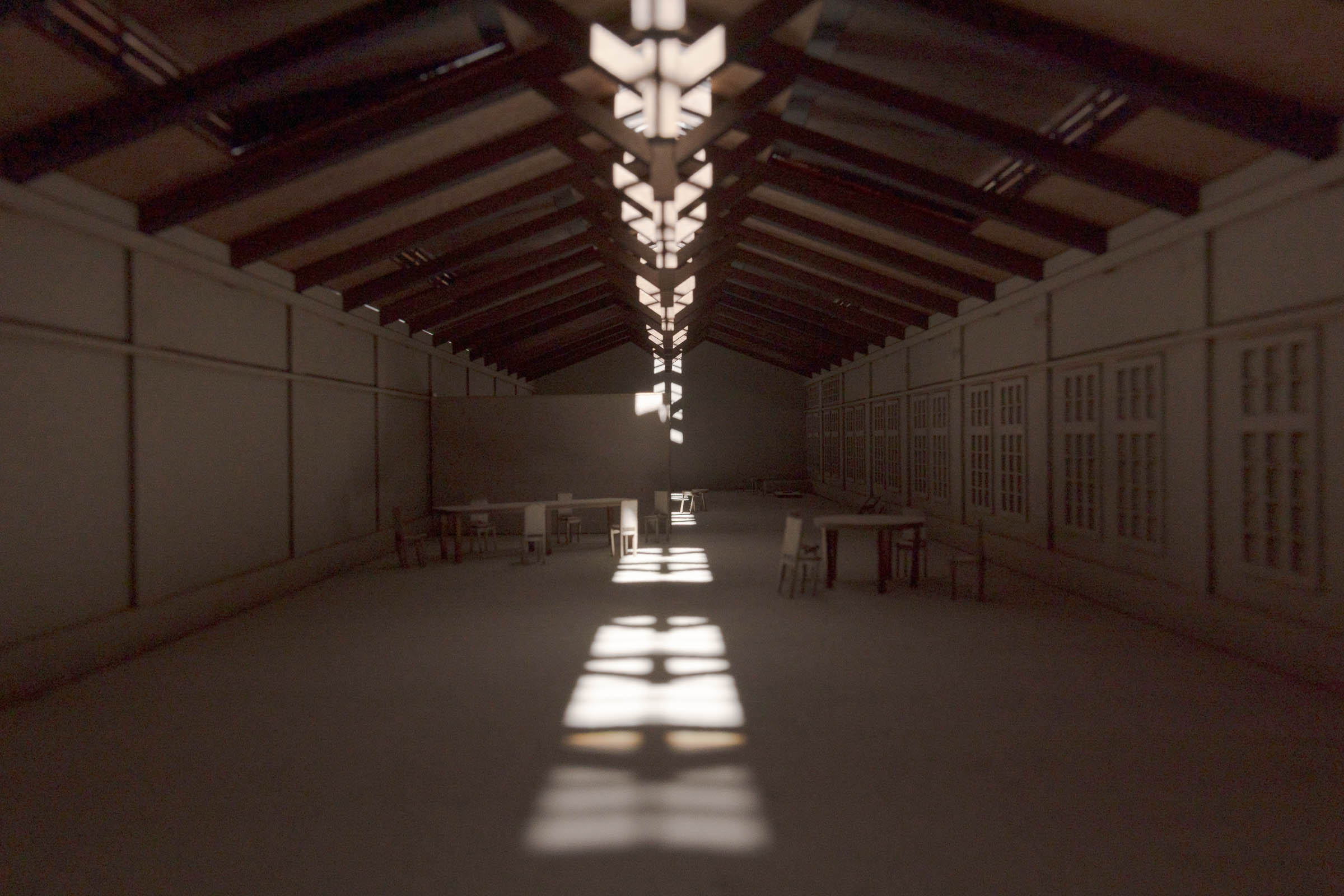
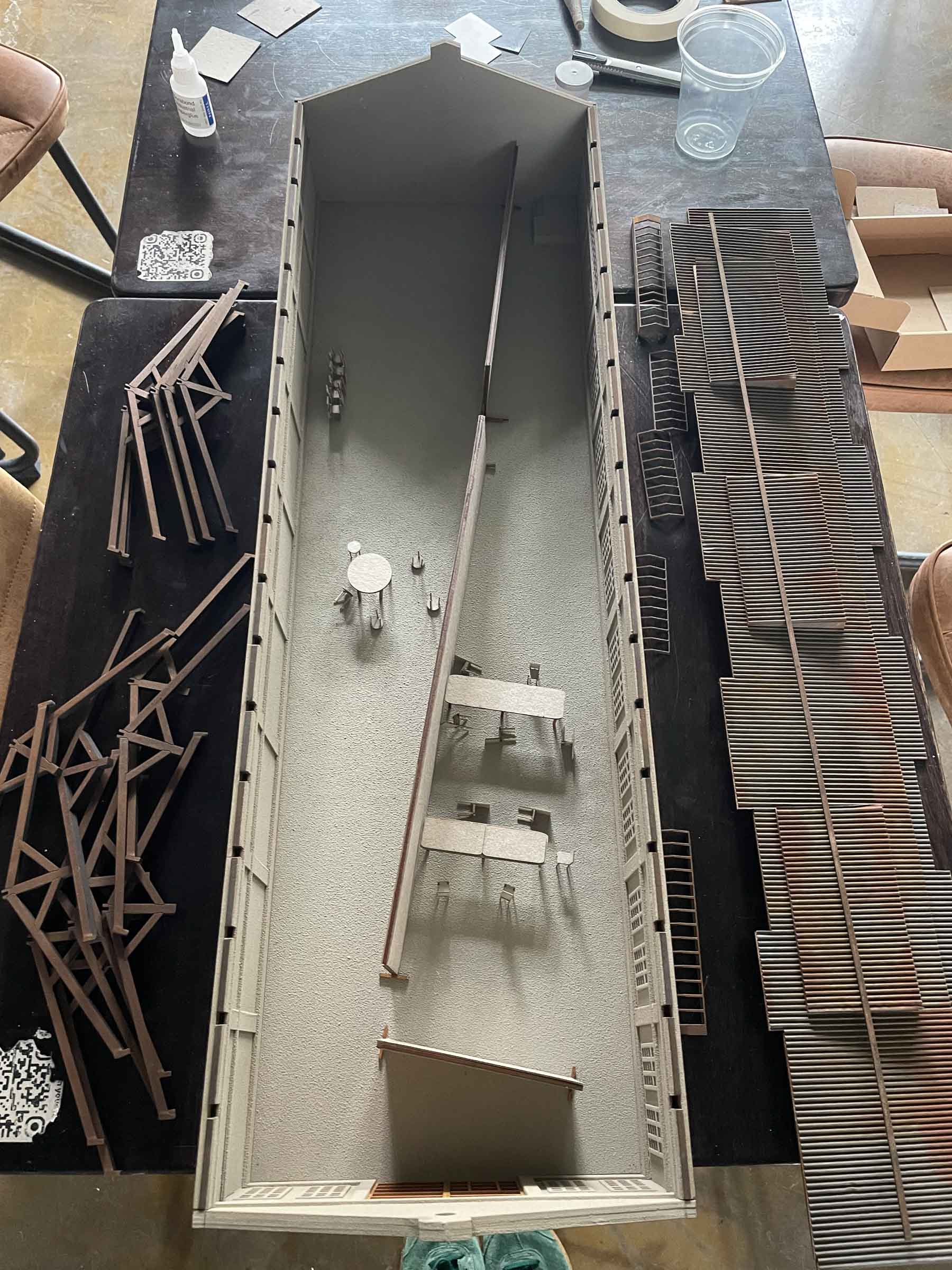
1:50 model textile factory. Designed in Rhino, lasercut MDF and 3D printed PLA. 80 x 25 x 20 cm.
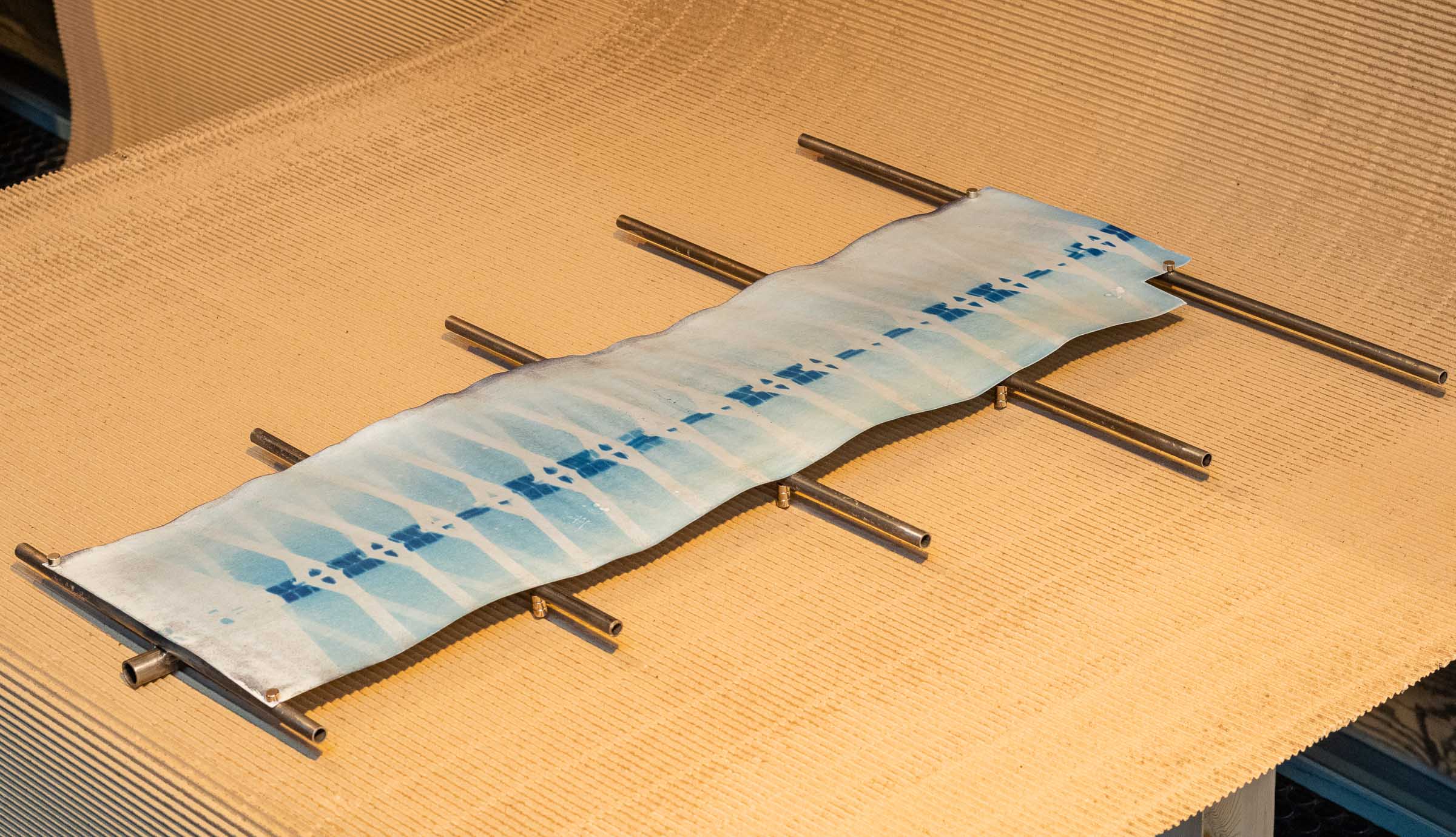
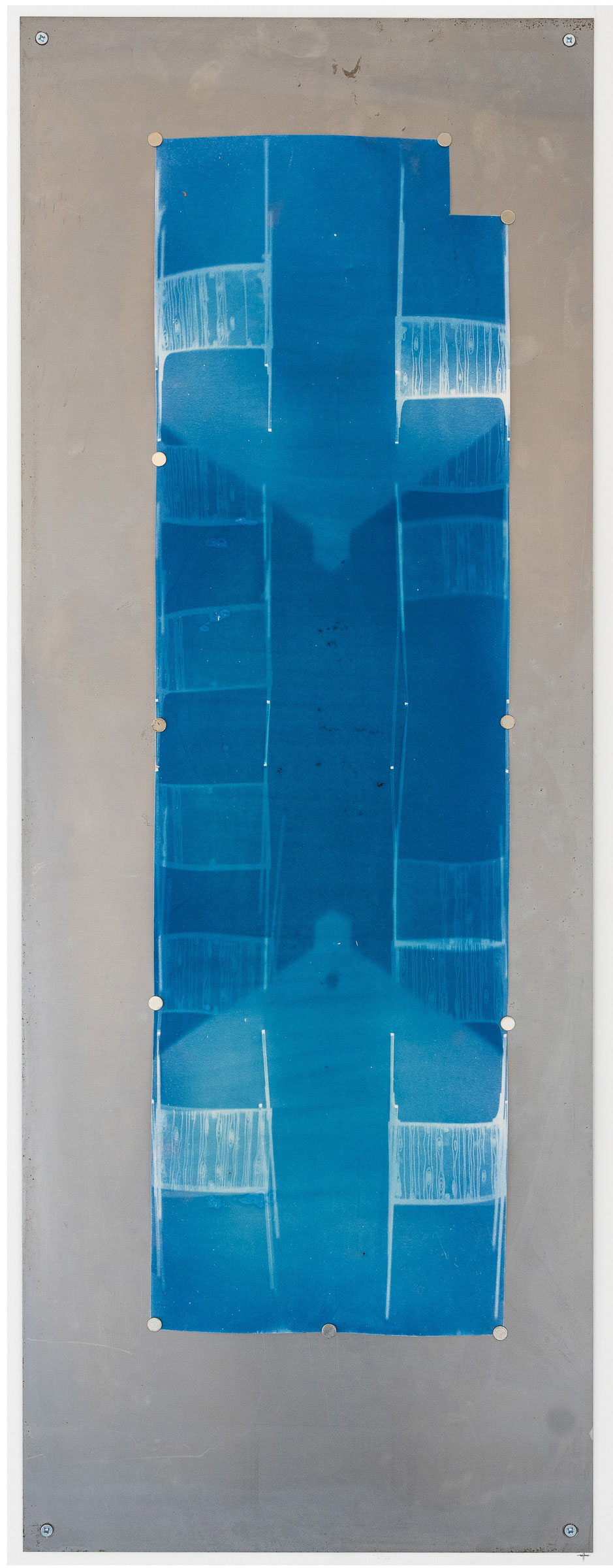
Cyanotype print made using sunlight entering the Textile Factory Model. 80 x 25 cm.
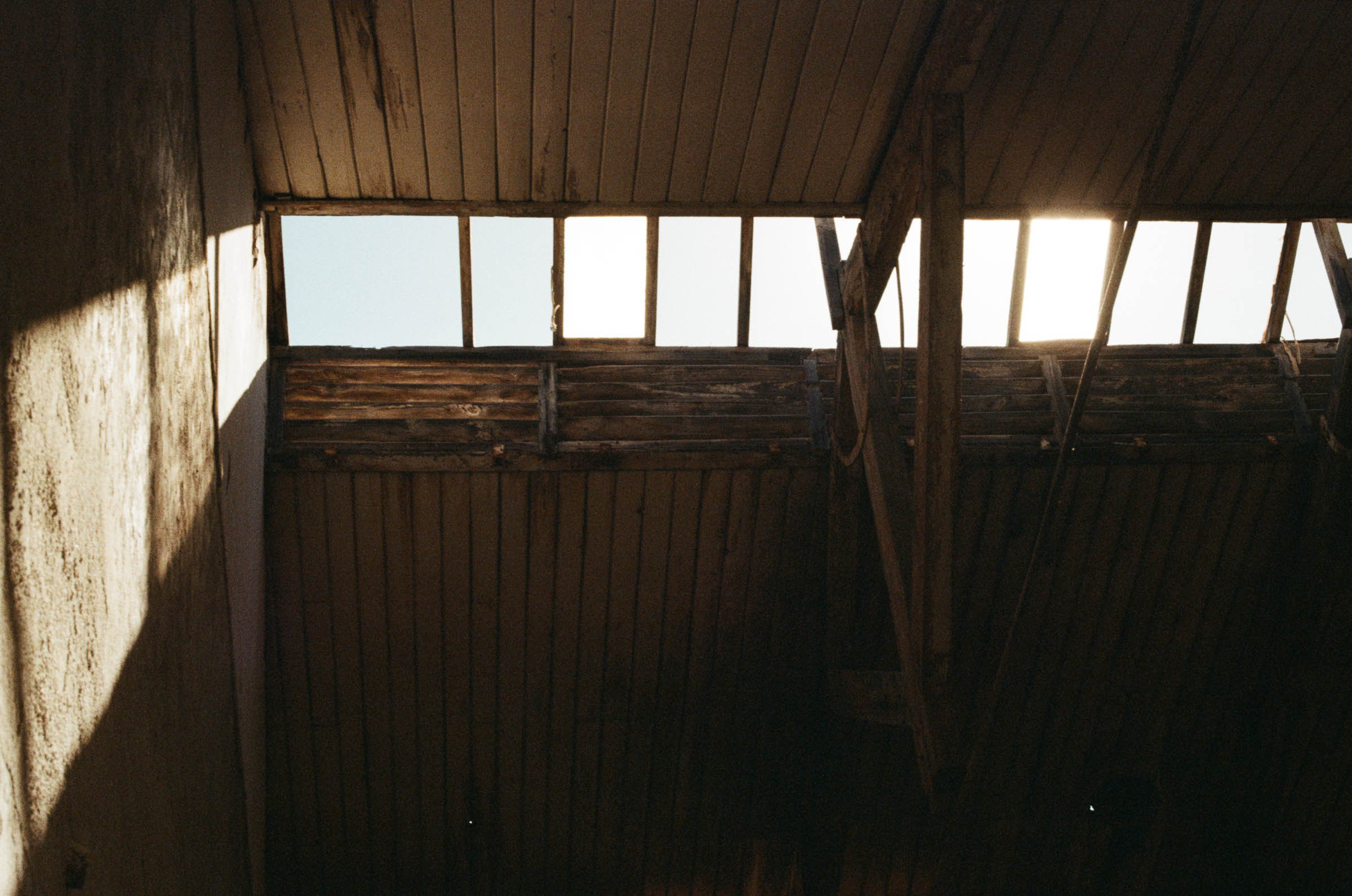
Detail of the central skylight in the Krystallis textile factory. Photograph.
Detail of the central skylight in the Krystallis
textile factory. Photograph.
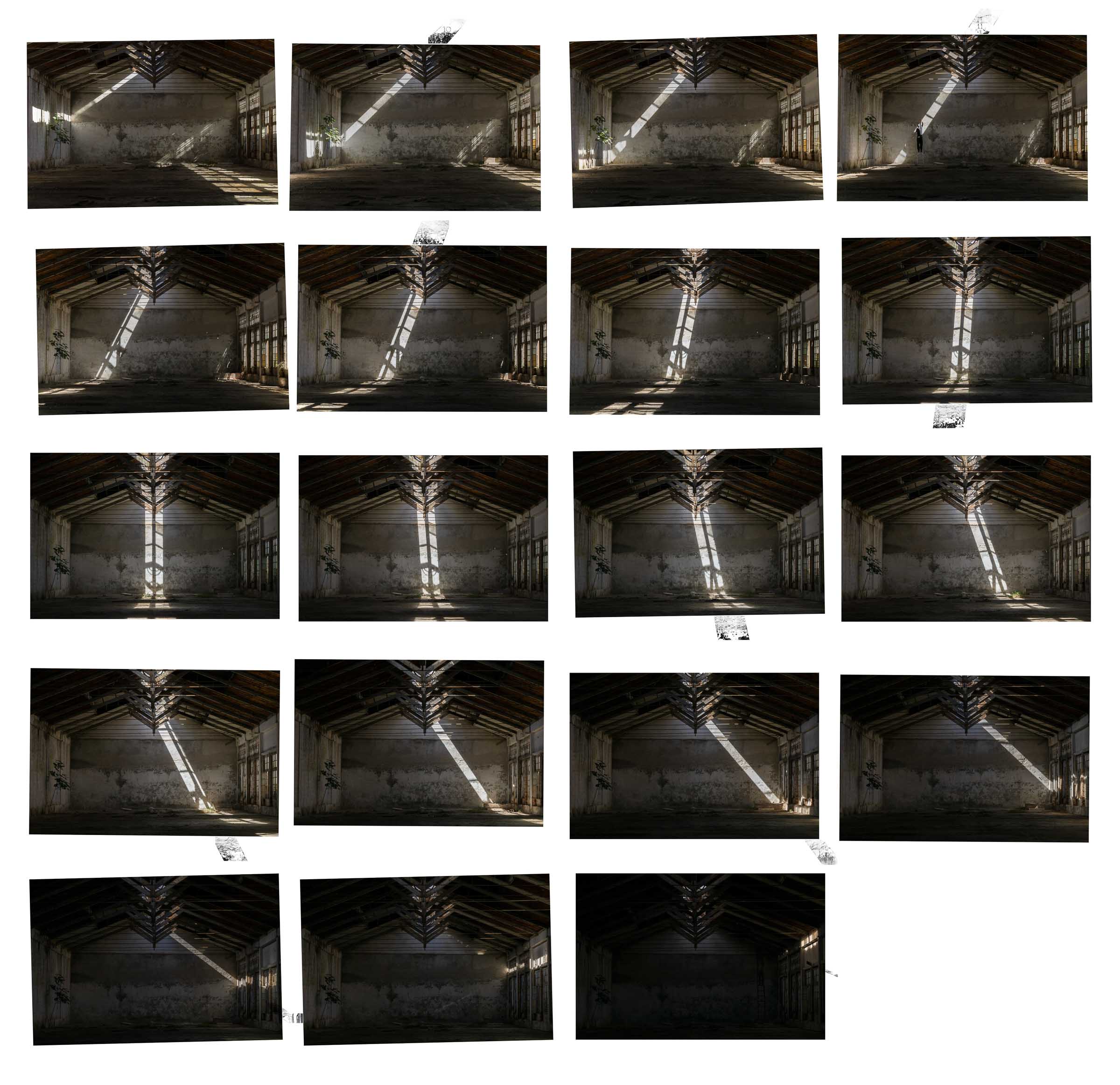
Performance piece documenting the direction of light entering the Krystallis Textile factory every half hour from 9:30 to 18:30 on April 30th 2026. Digital print on paper. 97.5 x 94.5 cm.
Performance piece documenting the direction of light entering the Krystallis Textile factory every half hour from 9:30 to 18:30 on April 30th 2026. Digital
print on paper. 97.5 x 94.5 cm.

Front view of model
Front view of model
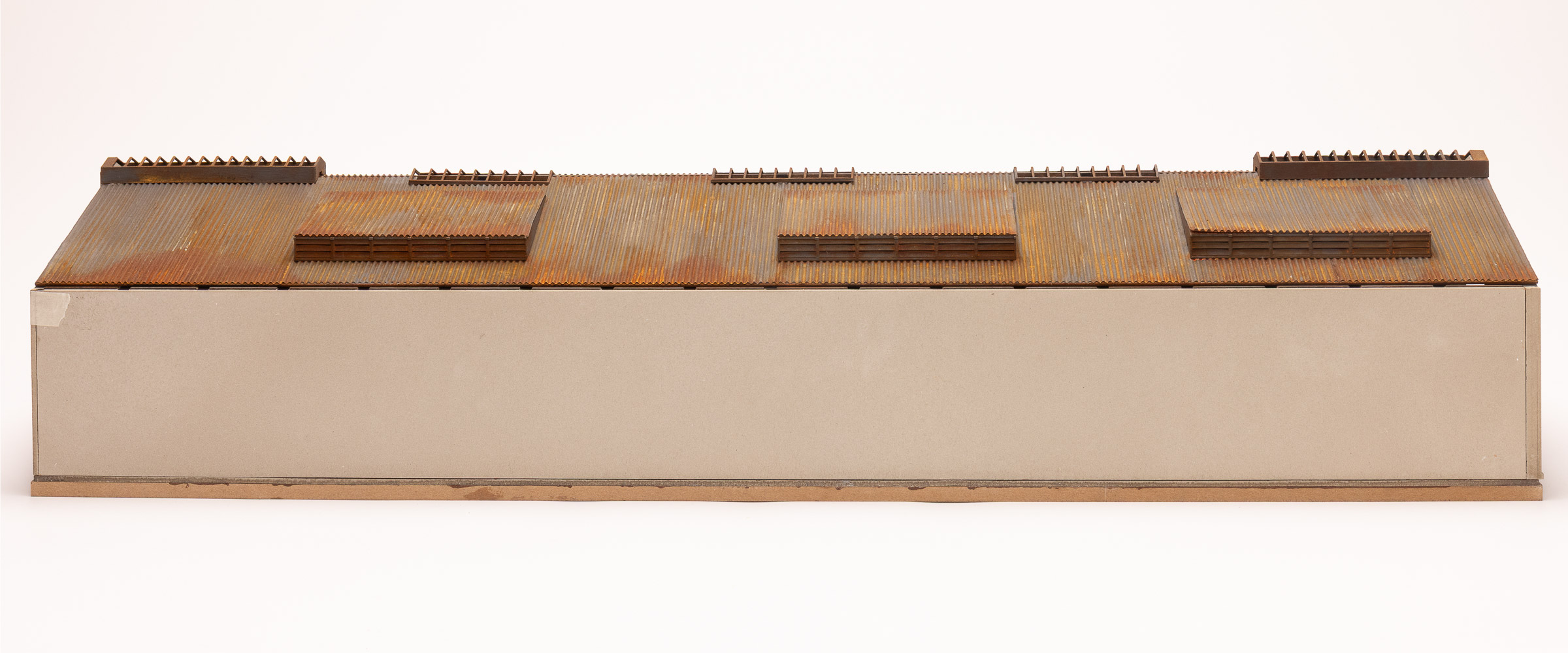
Left view of model
Left view of model
Right view of model
Right view of model
Interior view of model
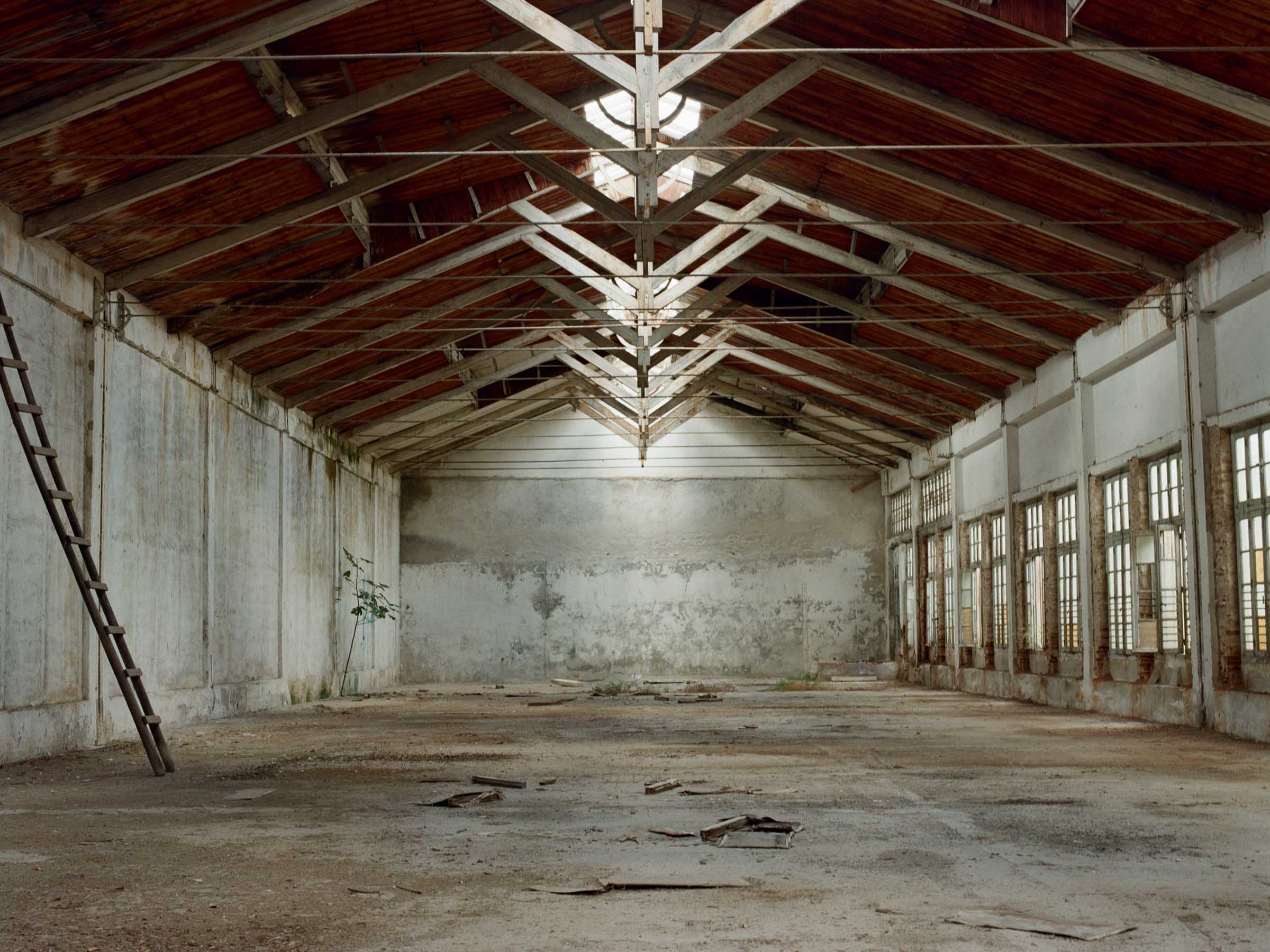
Front view of Krystallis textile factory.
Rear view of Krystallis textile factory.
Interior view of Krystallis textile factory.
Drawing of Pinus brutia (calabrian pine) with overlaid lofting board (sala) drawings and photographs of kaiki under construction. Photoshop & Illustrator. 192 x 29.5 cm.
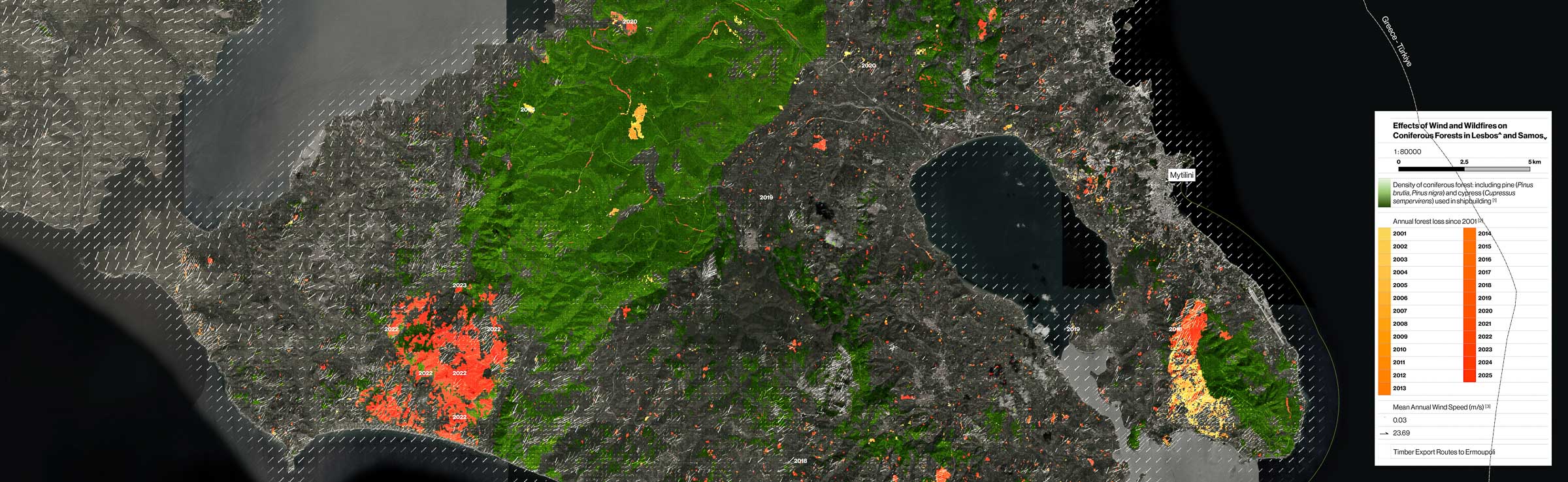
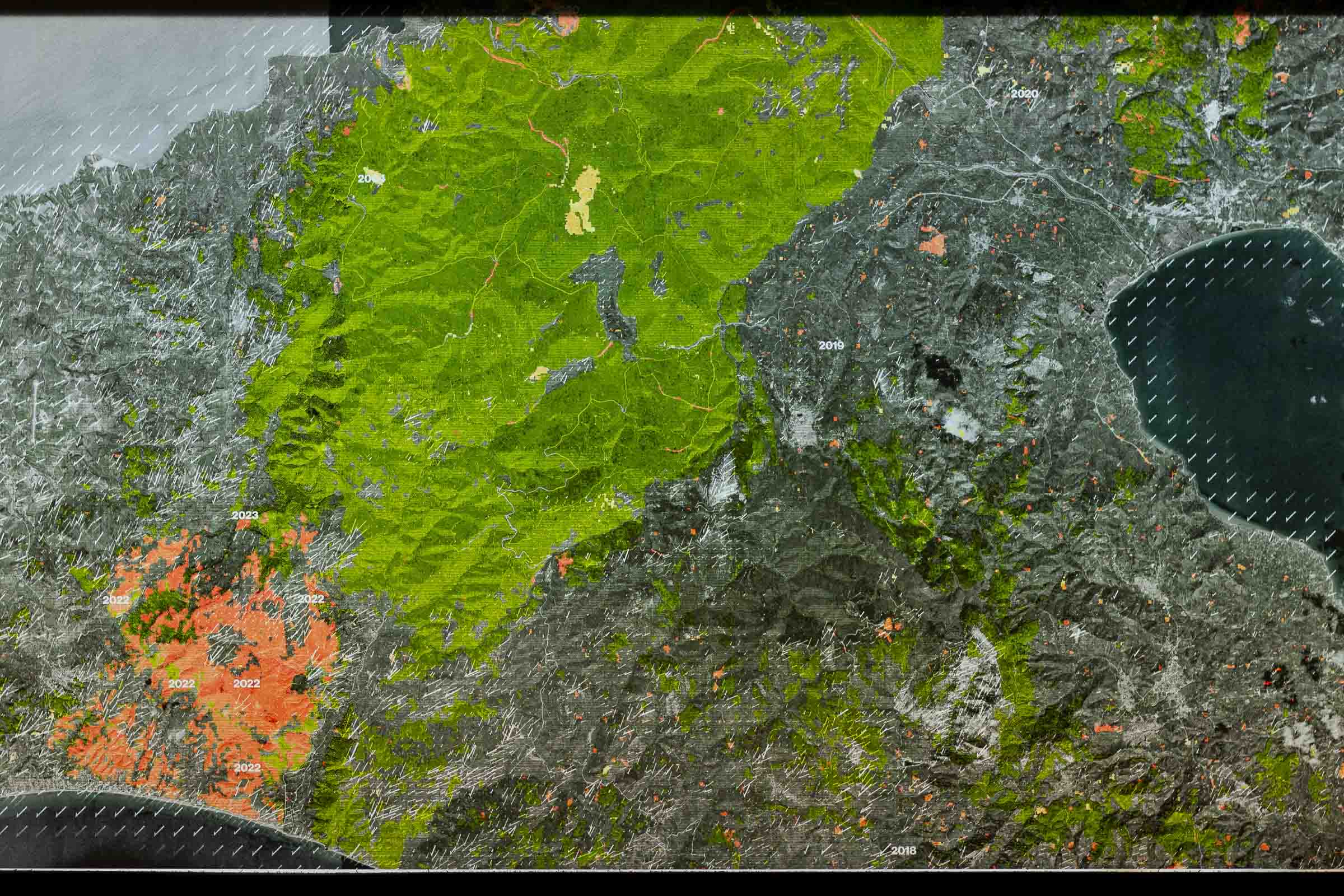
Map of the Greek Island of Lesbos showing the effects of wind and wildfires on the density of coniferous forests. QGIS & Illustrator. 96 x 29.5 cm.
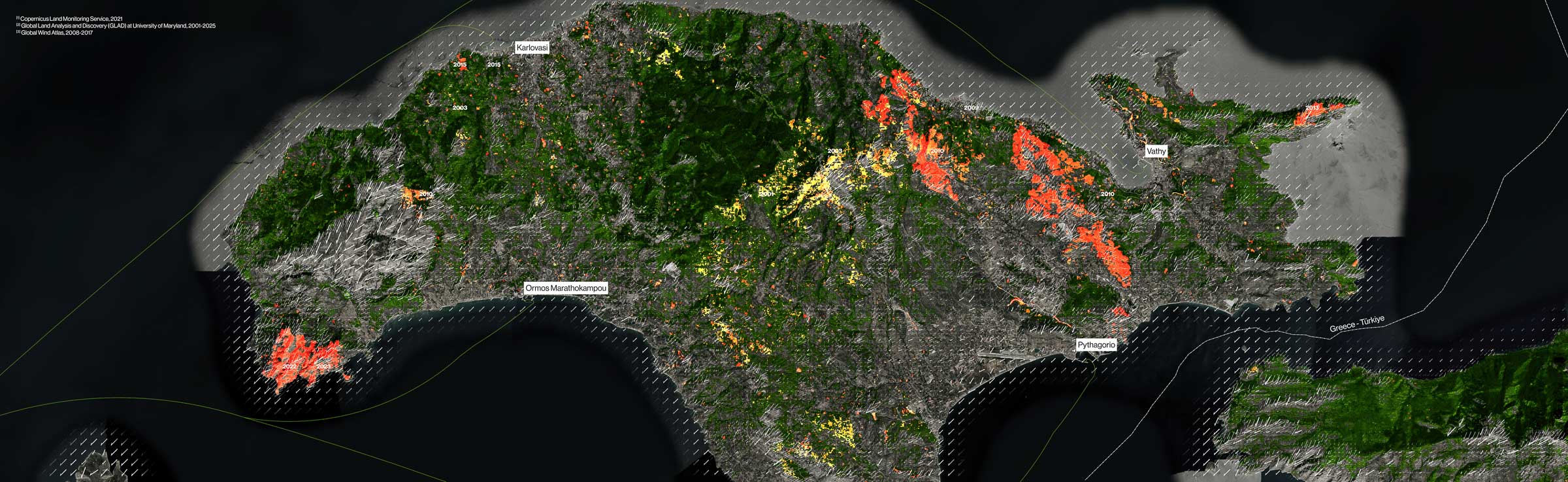
Map of the Greek Island of Samos showing the effects of wind and wildfires on the density of coniferous forests. QGIS & Illustrator. 96 x 29.5 cm.
Map of Lesbos, detail
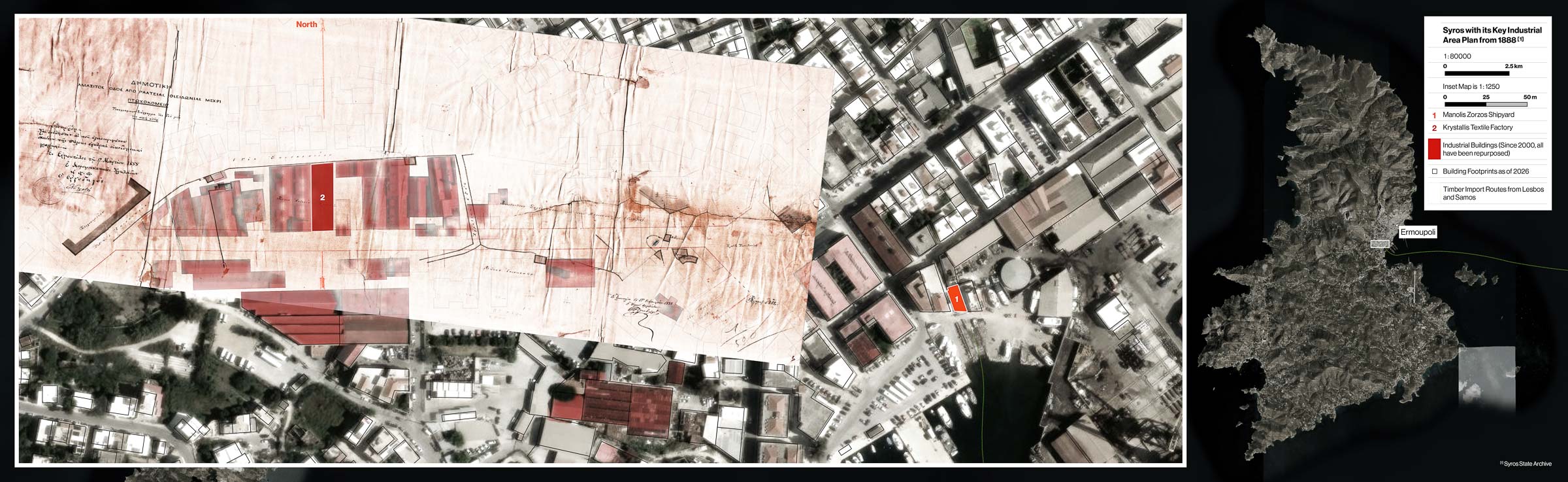
Map of the Greek Island of Syros with inset map of its largest city, Ermoupoli, and a plan of its industrial area from 1888 from the Syros Municipal Archive. QGIS & Illustrator. 96 x 29.5 cm.
Map of the Greek Island of Syros with inset map of its largest city, Ermoupoli, and a plan of its industrial area from 1888 from the Syros Municipal
Archive. QGIS & Illustrator. 96 x 29.5 cm.
Process of modular arrangement as a way to experiment with different floorplans.
Process of modular arrangement as a way
to experiment with different floorplans.
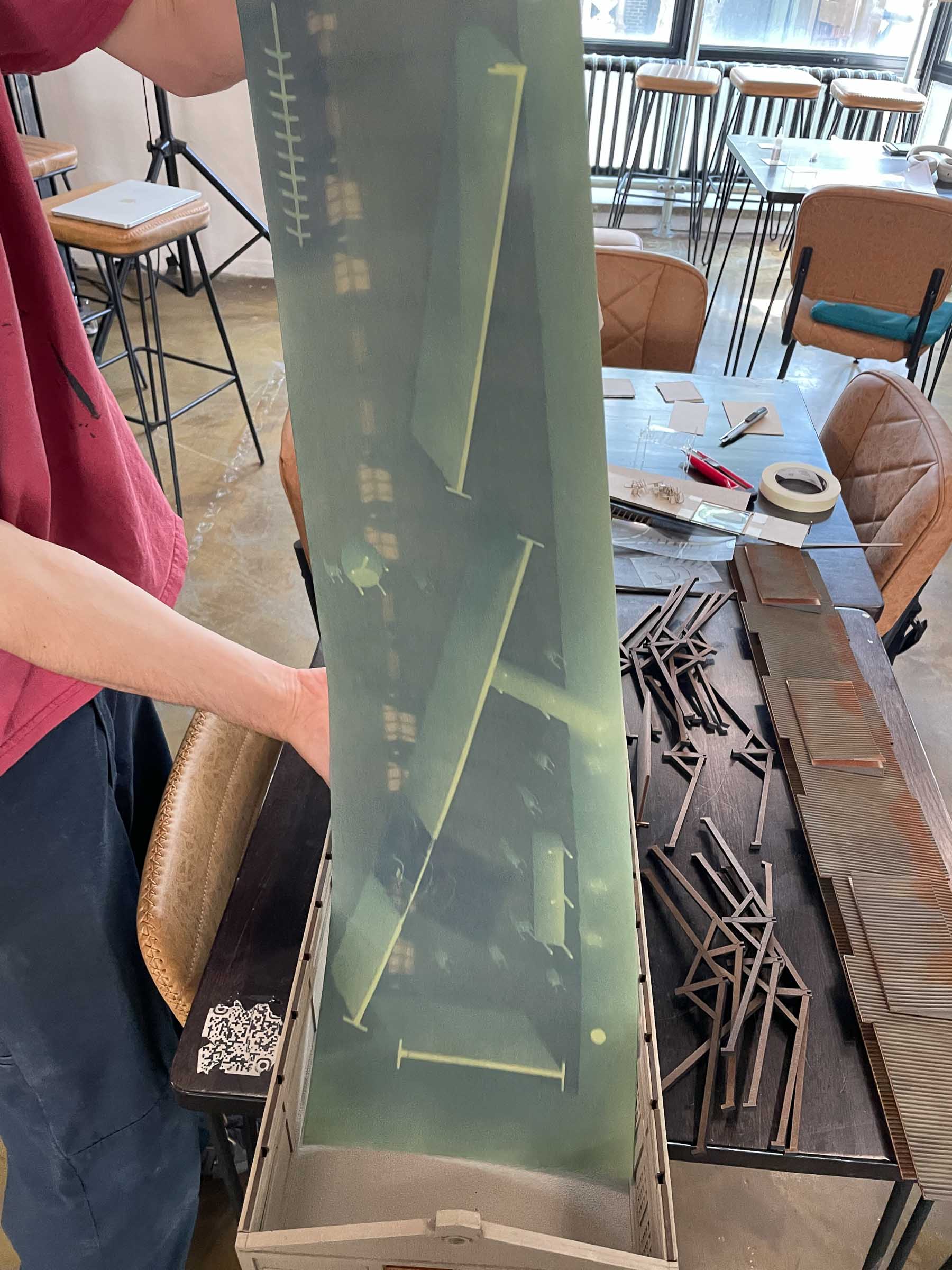
Recording of floorplan through a cyanotype within the model to test different lighting conditions.
Recording of floorplan through a cyanotype
within the model to test different lighting
conditions.
Cyanotype demonstrating the Krystallis textile factory’s history as a MDF and plywood warehouse. 80 x 25 cm.
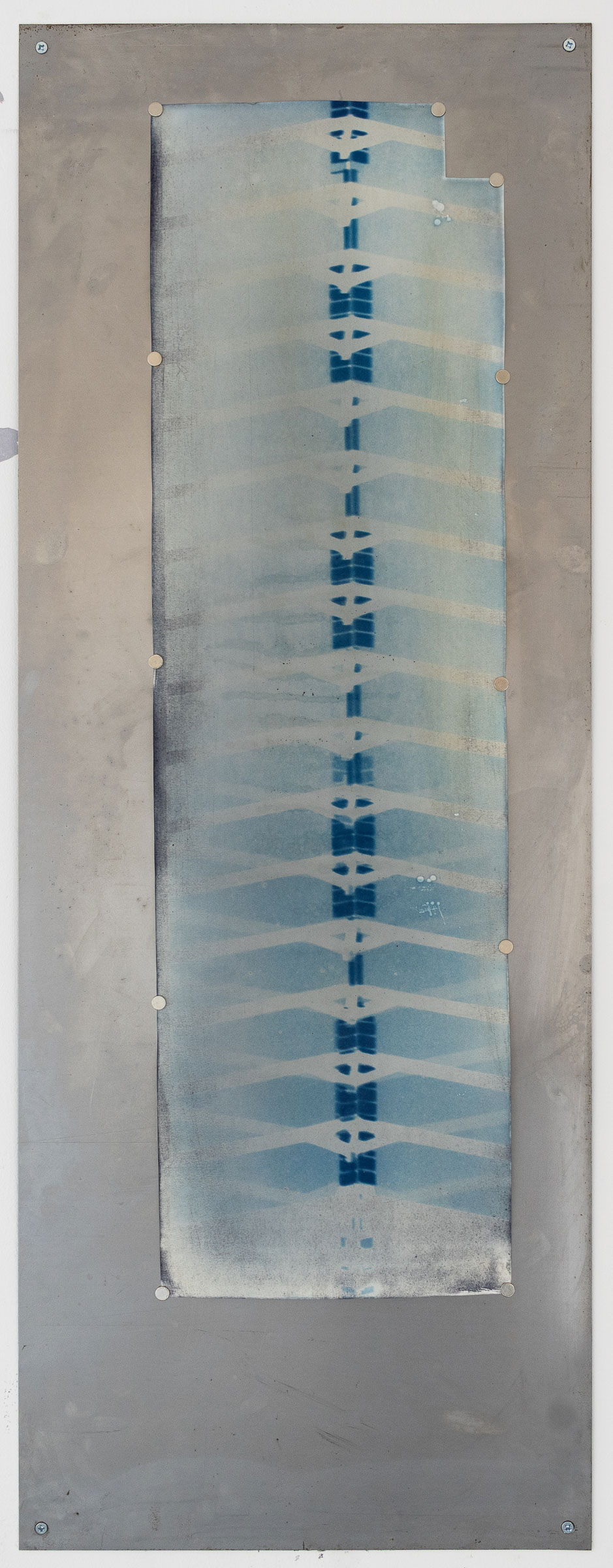
Cyanotype demonstrating the Krystallis textile factory’s history
as a MDF and plywood warehouse. 80 x 25 cm.
Cyanotype demonstrating the Krystallis factory as it exists today, empty with some rubble. 80 x 25 cm.
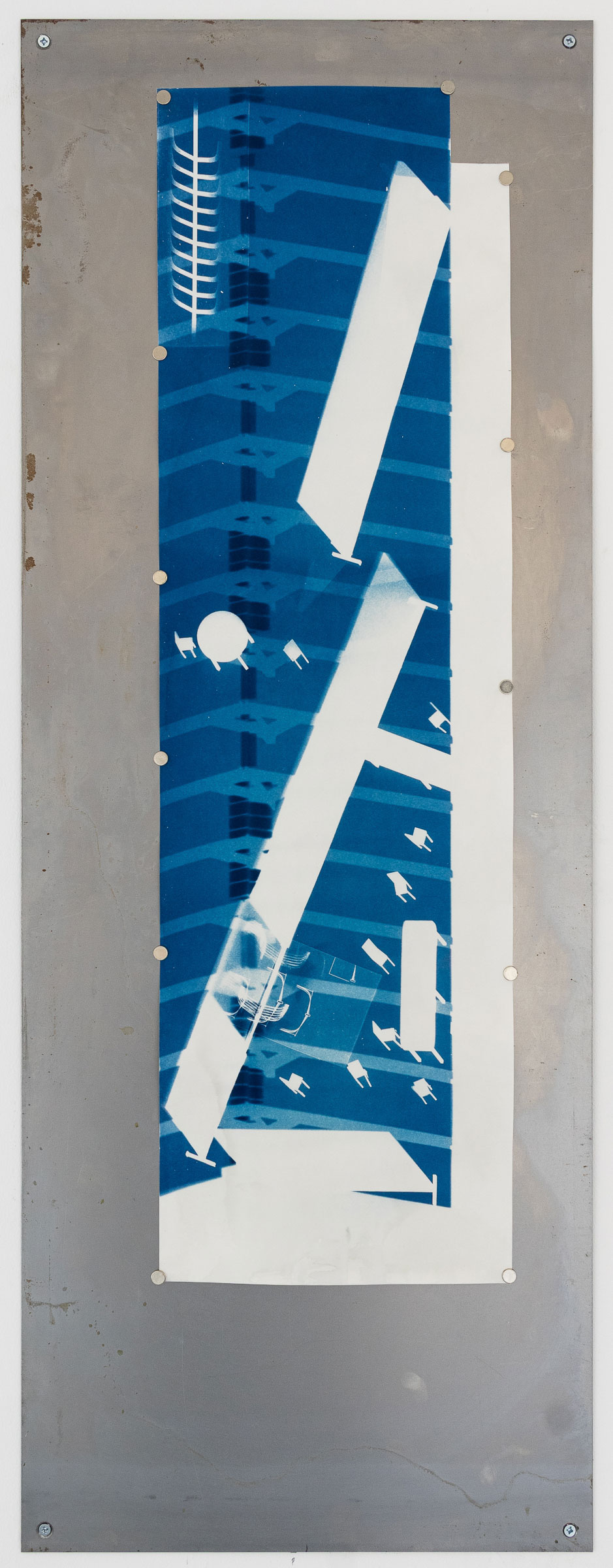
Cyanotype demonstrating the Krystallis factory as it exists
today, empty with some rubble. 80 x 25 cm.
Cyanotype demonstrating a future scenario for the Krystallis textile factory as a center for resilience for the island of Syros. 80 x 25 cm.
Cyanotype demonstrating a future scenario for the Krystallis
textile factory as a center for resilience for the island of Syros.
80 x 25 cm.

THE TEMPORALITY OF A RADIOTROPHIC FAIRY RING

Digital and silkscreen prints, photographic negatives, steel, concrete, film [03:50].
Presented at Art Forward Gallery, London and Hypha Studios, London.
Shortlisted for the RIBA Short Film Competition 2026.

“There are no signs of the radiotrophic fungi growing above the site too. The ones which form fairy rings around fallen reactors and fragmented geological disposal facilities.

There used to be a myth, a long time ago now, that if you stepped inside a fairy ring the minutes you spent inside would be equal to years outside. Two temporalities existed simultaneously.”

A structure begins to erode from the moment of its construction, returning its extracted materials back to the earth in which its foundations were laid. Nuclear timescales extend millennia. Spent uranium atoms during nuclear fission decay ad infinitum, experiencing half lives of half lives and so on. Encapsulated in steel and concrete silos buried underground, these atomic architectures form time capsules operating in deep time, remnant artefacts of human’s manipulation of the physical world.

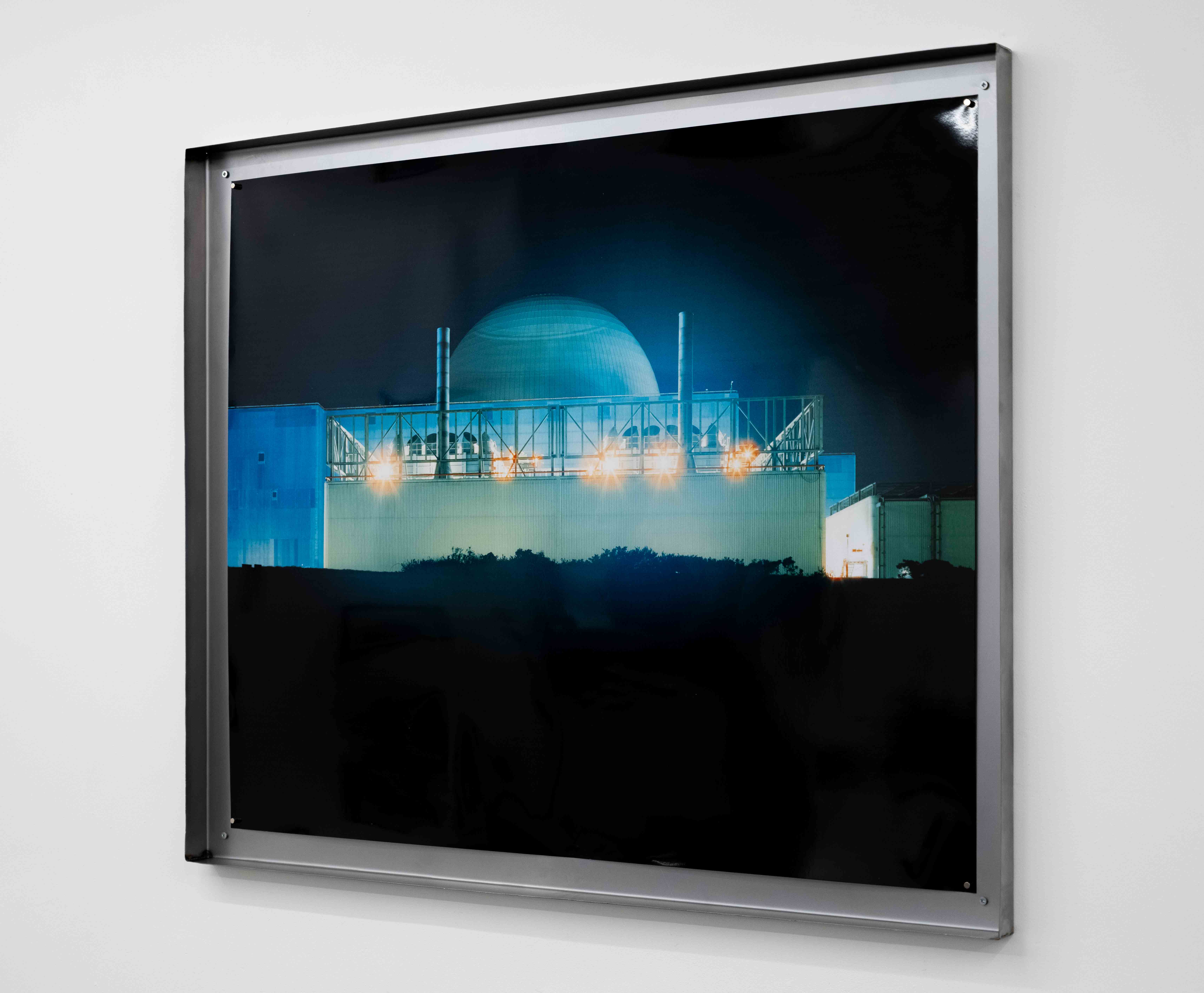
Nuclear power stations Sizewell A and B on the coast of Suffolk have already reached the end of their lifetime. Sizewell C has just begun despite local protest. A local fisherman, Woody, explained to me he had seen each successive power station completed in his lifetime. How do you create an archive of a single human lifetime which extends beyond conventional temporalities to that of spent nuclear fuel, where language and semiotics may cease to function?

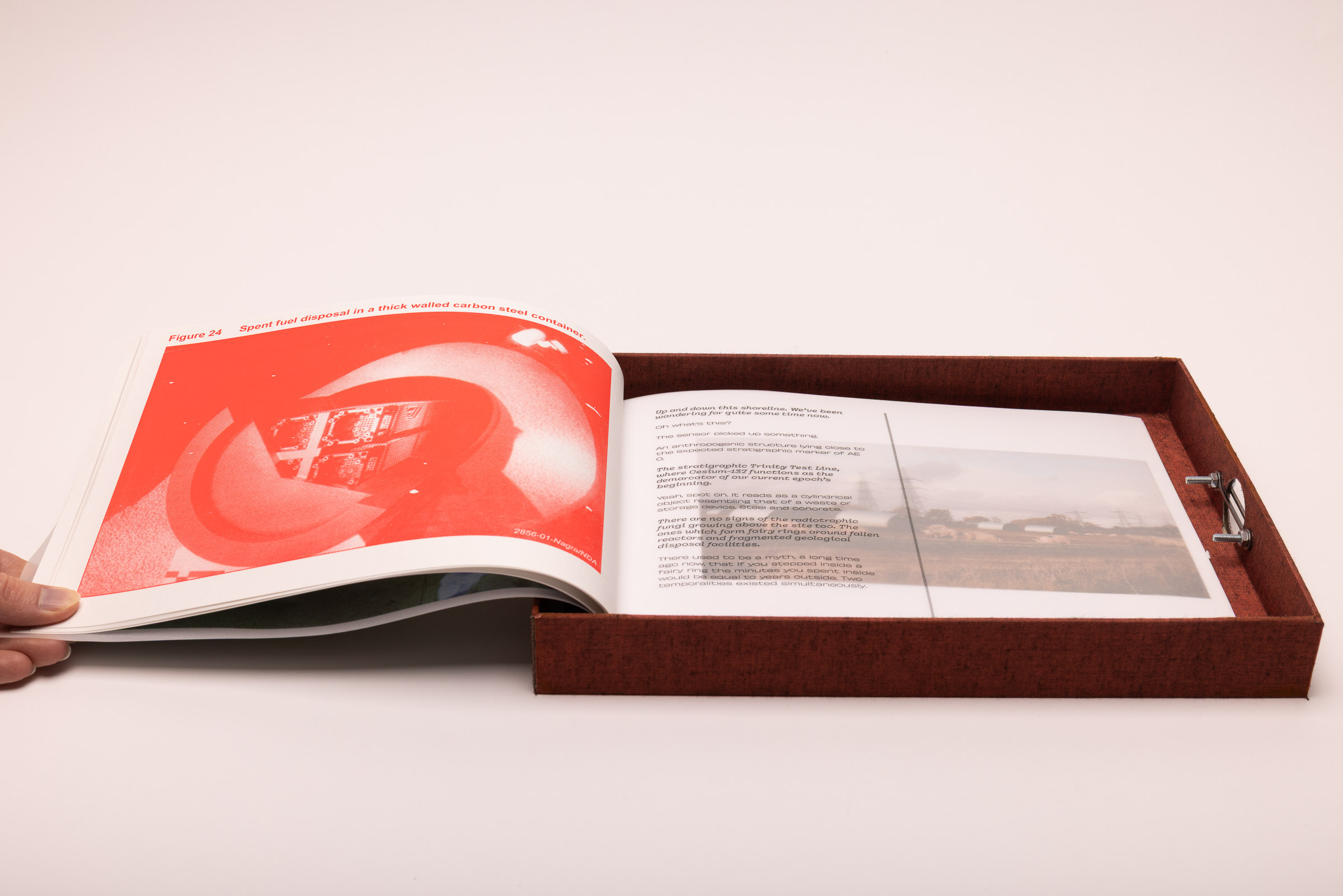
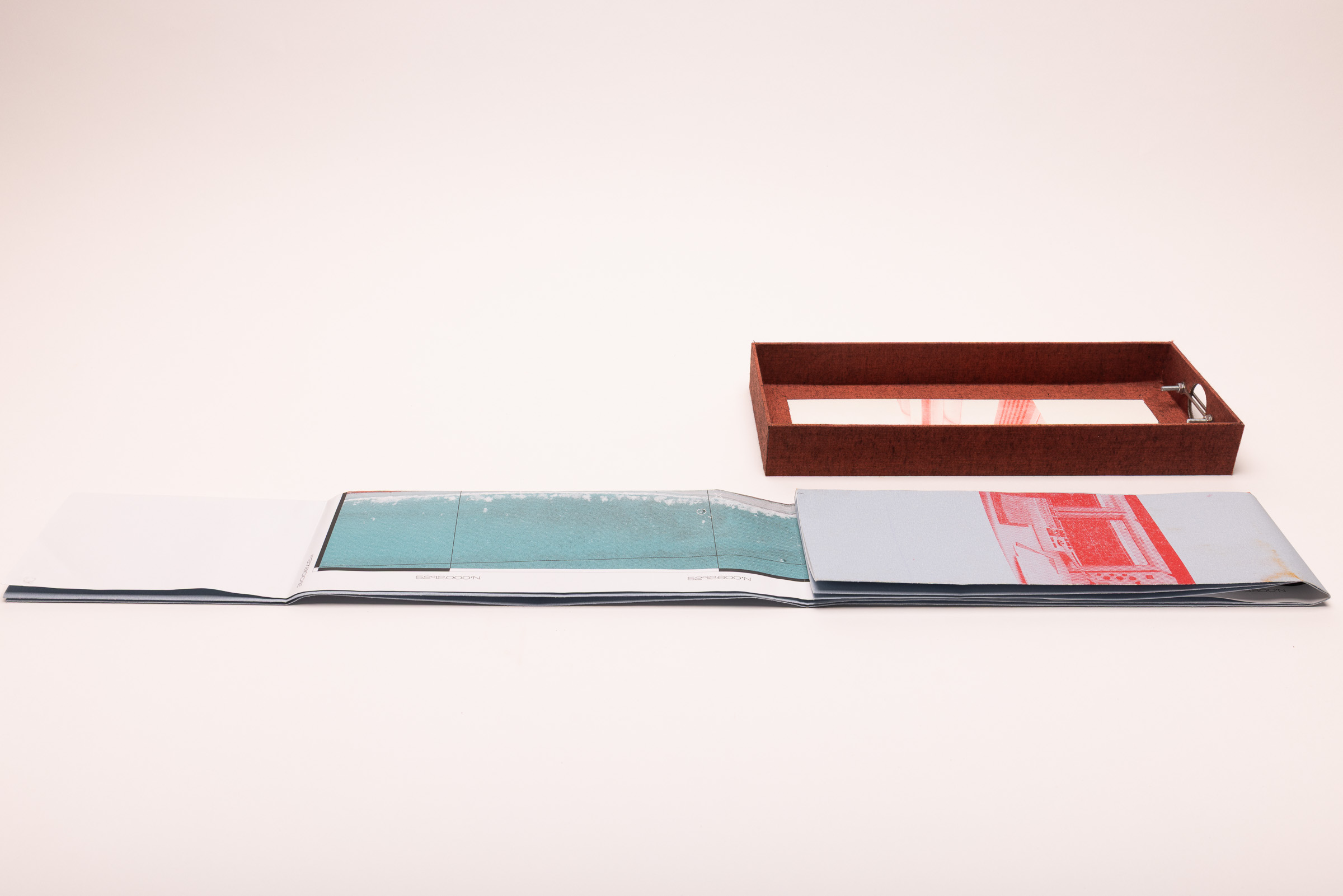
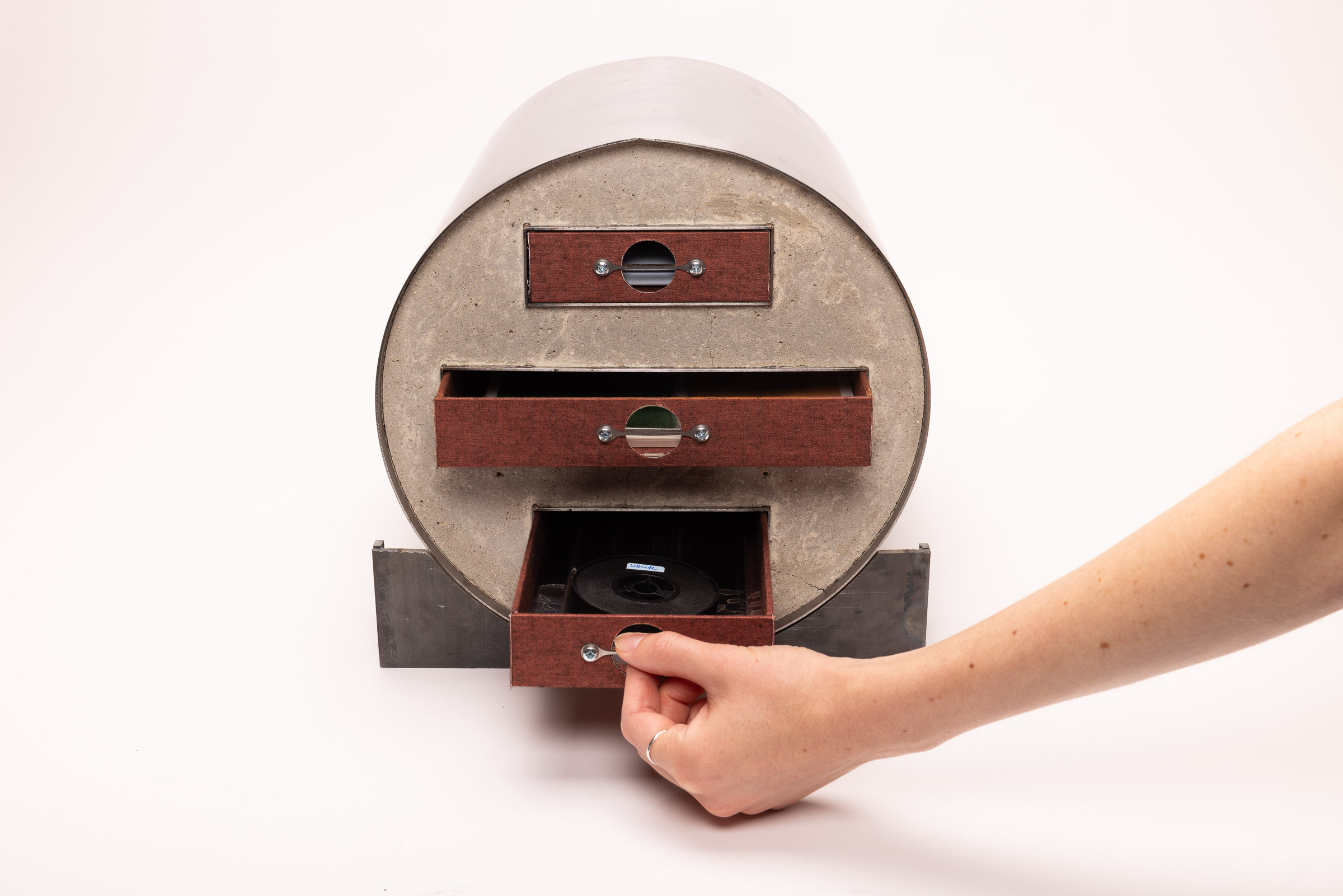
The Temporality of a Radiotrophic Fairy Ring aims to respond to this question in the form of artist book as publication which both mimics and is informed by the materiality of the concrete silo which forms the future remnant architectures of the Sizewell Nuclear Power Stations. It will become an archive of one of many nuclear sites in Great Britain, and when a site is chosen for geological disposal facility, the ‘book’ and subsequent materials used to create it will be welded shut and buried nearby. By preserving the history of nuclear sites into deep-time through creation of a matter-library hybrid form, the ‘book’ will bridge two temporalities, that of our own, and one on the scale of nuclear history. Original analogue photographic images and Super-8 stills sit in dialogue with found postcards, documents, and images from the past century as evidence of decision making around Sizewell. Additionally, an original piece of speculative fiction relates to how future nuclear archaeologists might interact wandering in post-nuclear hinterlands. The two characters in the piece engage in various philosophical discussions regarding ecology and fieldwork while becoming ever more disorientated. The answer is never revealed as what has happened to these sites in the middle-future, rather it is left open ended, as is the ongoing case to find a disposal facility today.
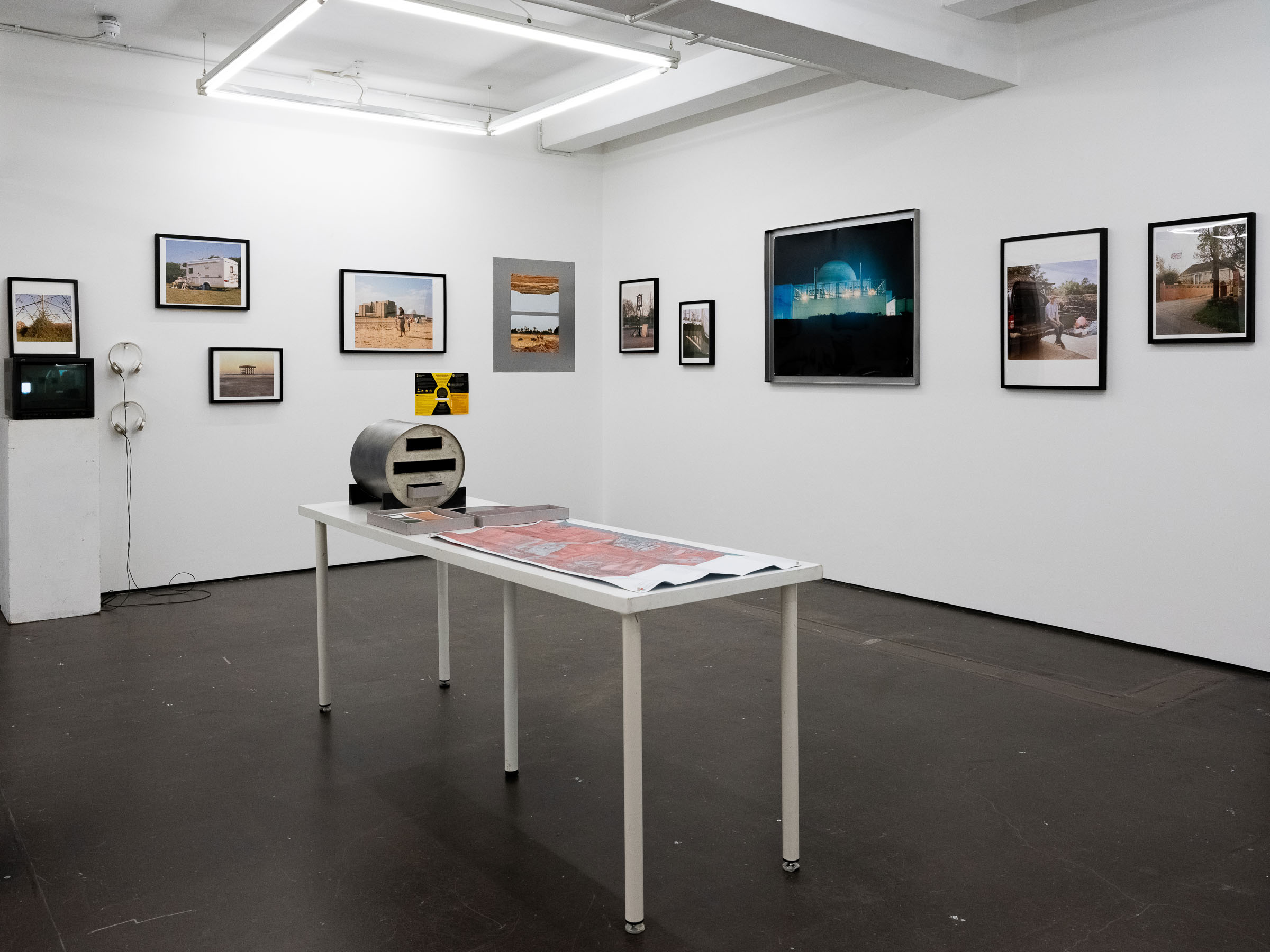
Installation view during the MASS End of Programme Exhibition. Art Forward Gallery, May 2026.
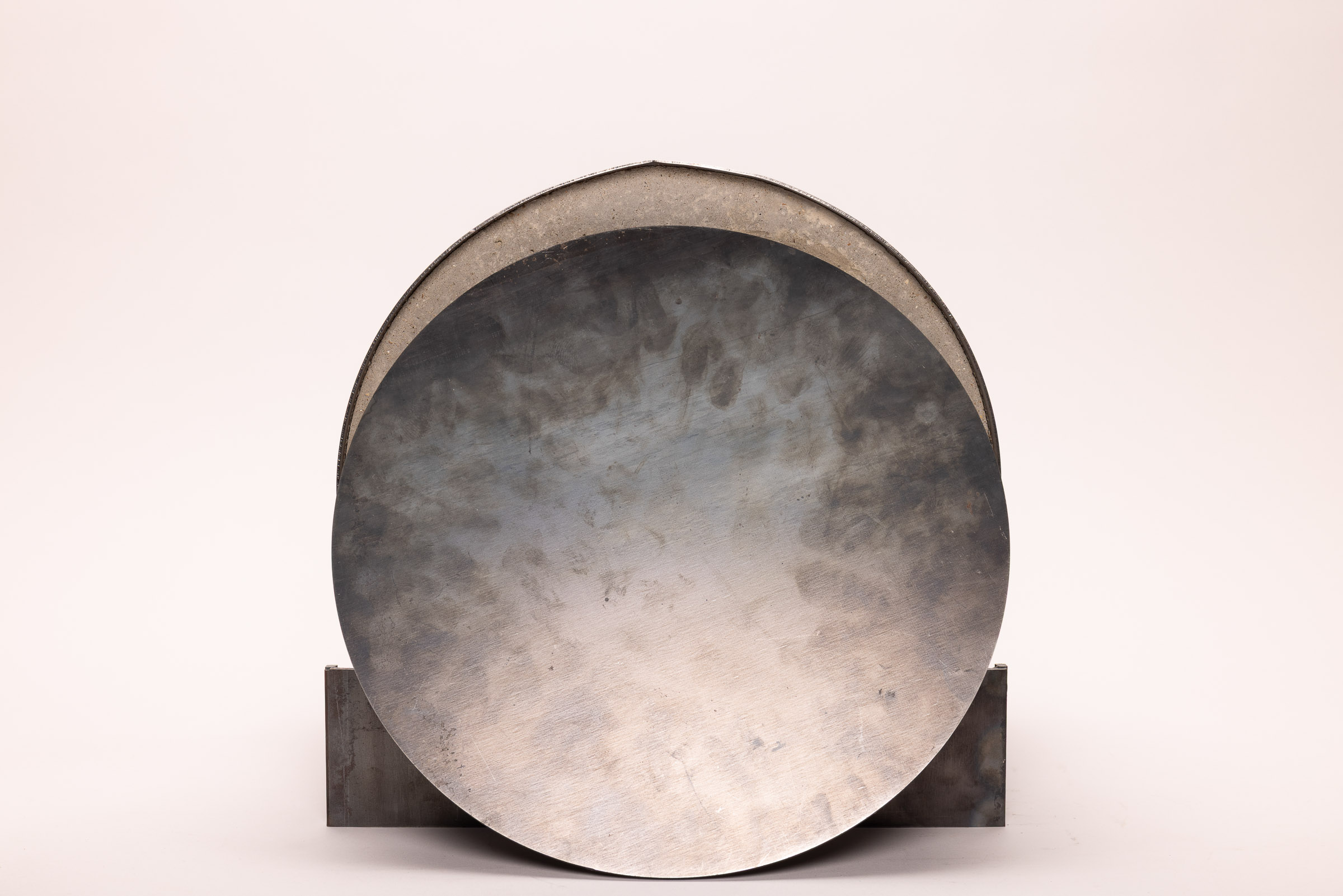
Front view of nuclear silo burial device. Laser cut steel, concrete. 29.5 x 32.4 cm.
Front view of nuclear silo burial device. Laser cut steel, concrete.
29.5 x 32.4 cm.
Front view of nuclear silo burial device with lid. Laser cut steel, concrete. 29.5 x 32.4 cm.
Front view of nuclear silo burial device with lid. Laser cut steel, concrete.
29.5 x 32.4 cm.
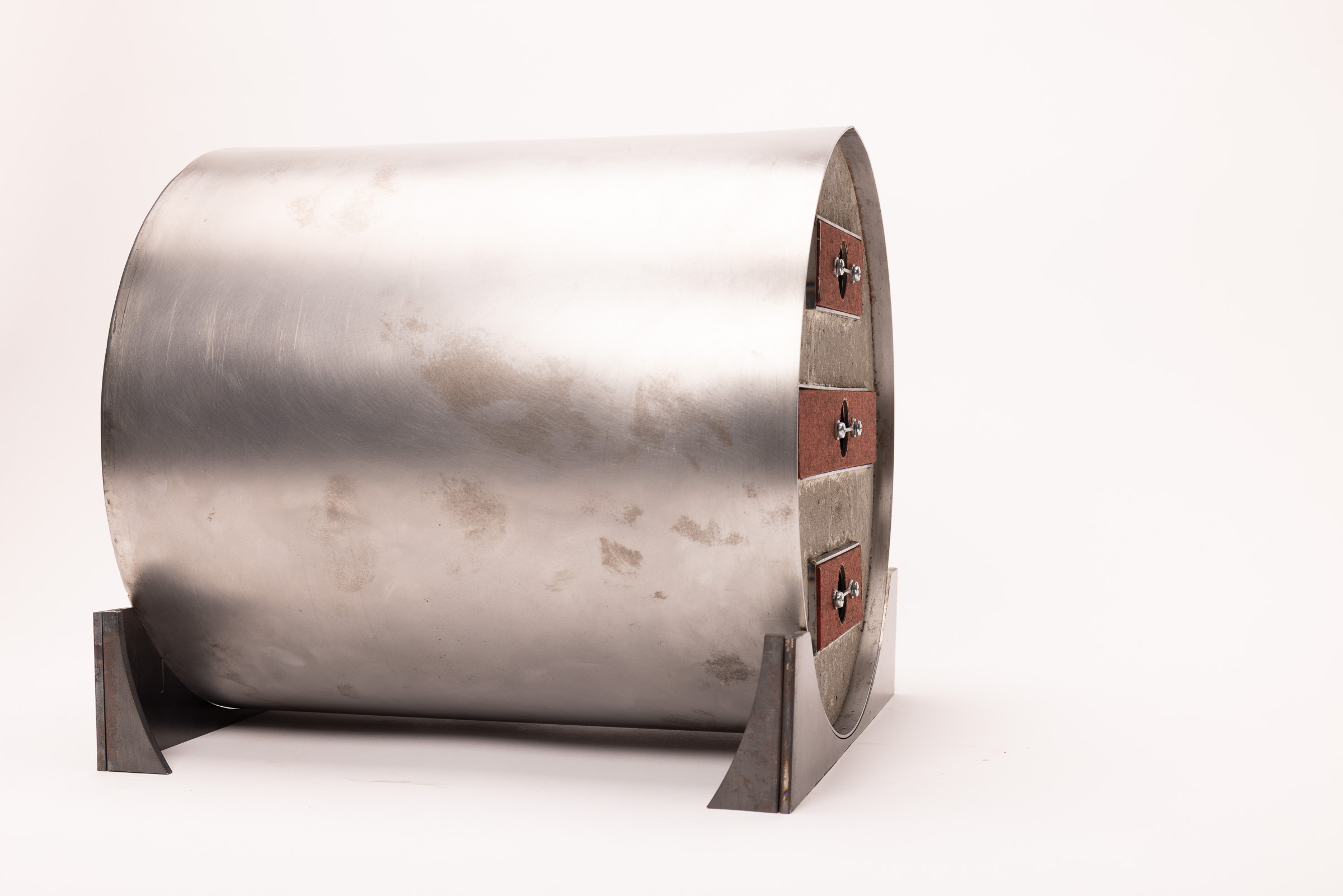
Left view of nuclear silo burial device. Laser cut steel, concrete. 29.5 x 32.4 cm.
Left view of nuclear silo burial device. Laser cut steel, concrete.
29.5 x 32.4 cm.
Detail of artist book (on following spreads) in archival box, 61 pages. 21 × 29.7 cm.
Detail of artist book (on following spreads) in archival box, 61 pages.
21 × 29.7 cm.
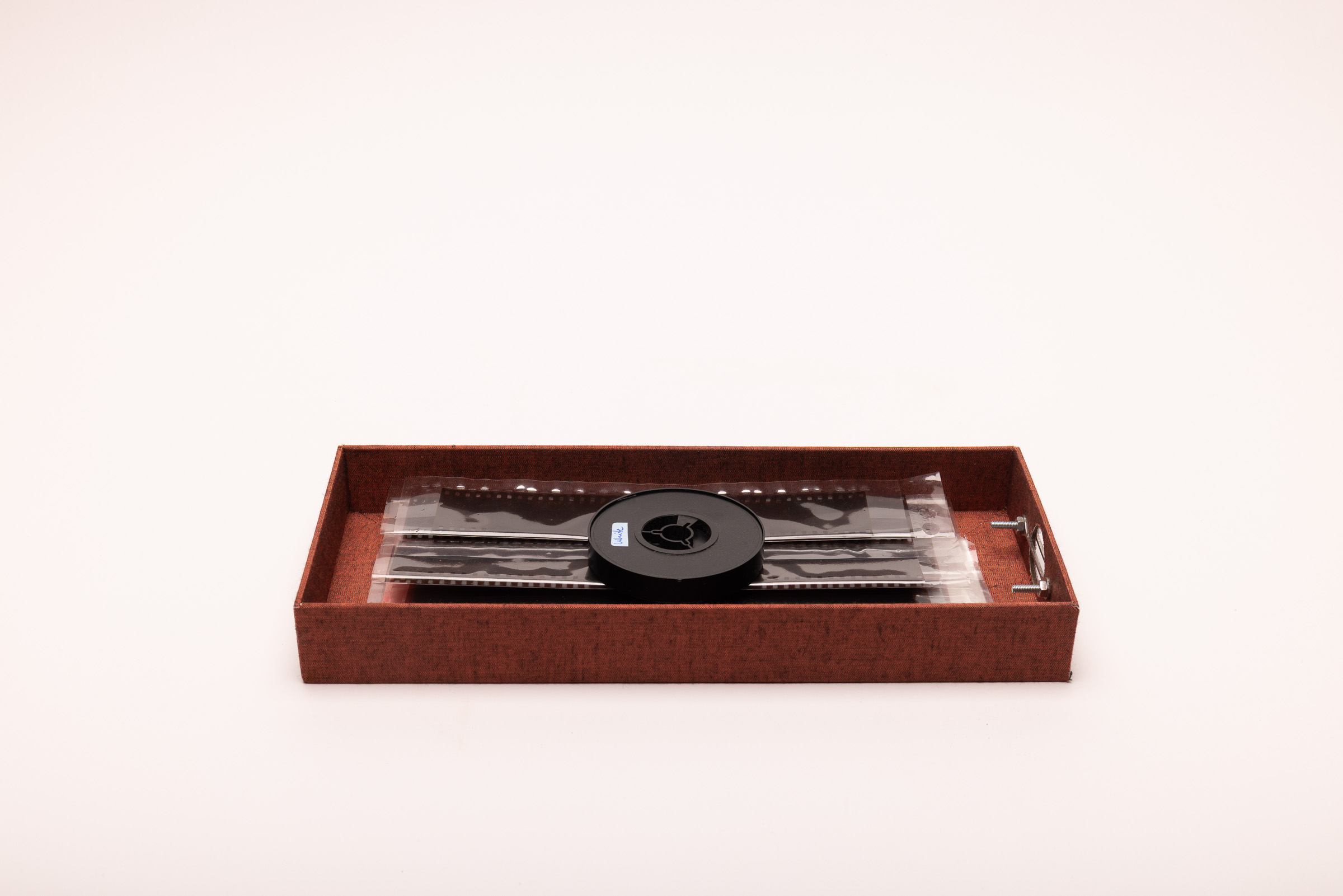
Detail of negatives in archival box.
Detail of map (on following spreads) in archival box.
Cherenkov, 2026. Digital C-Type Print. Art Forward Gallery. 109 x 90 cm.
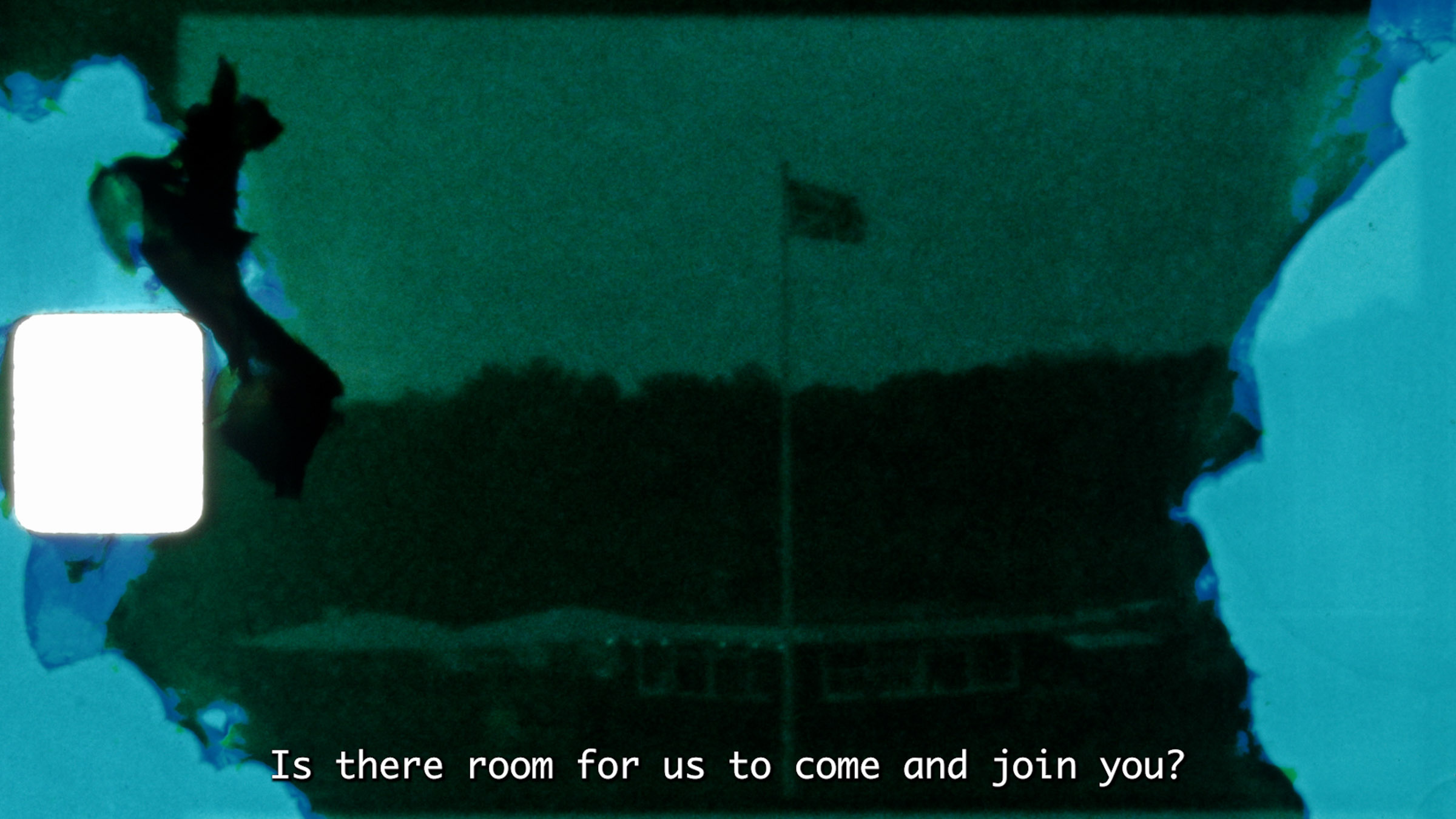
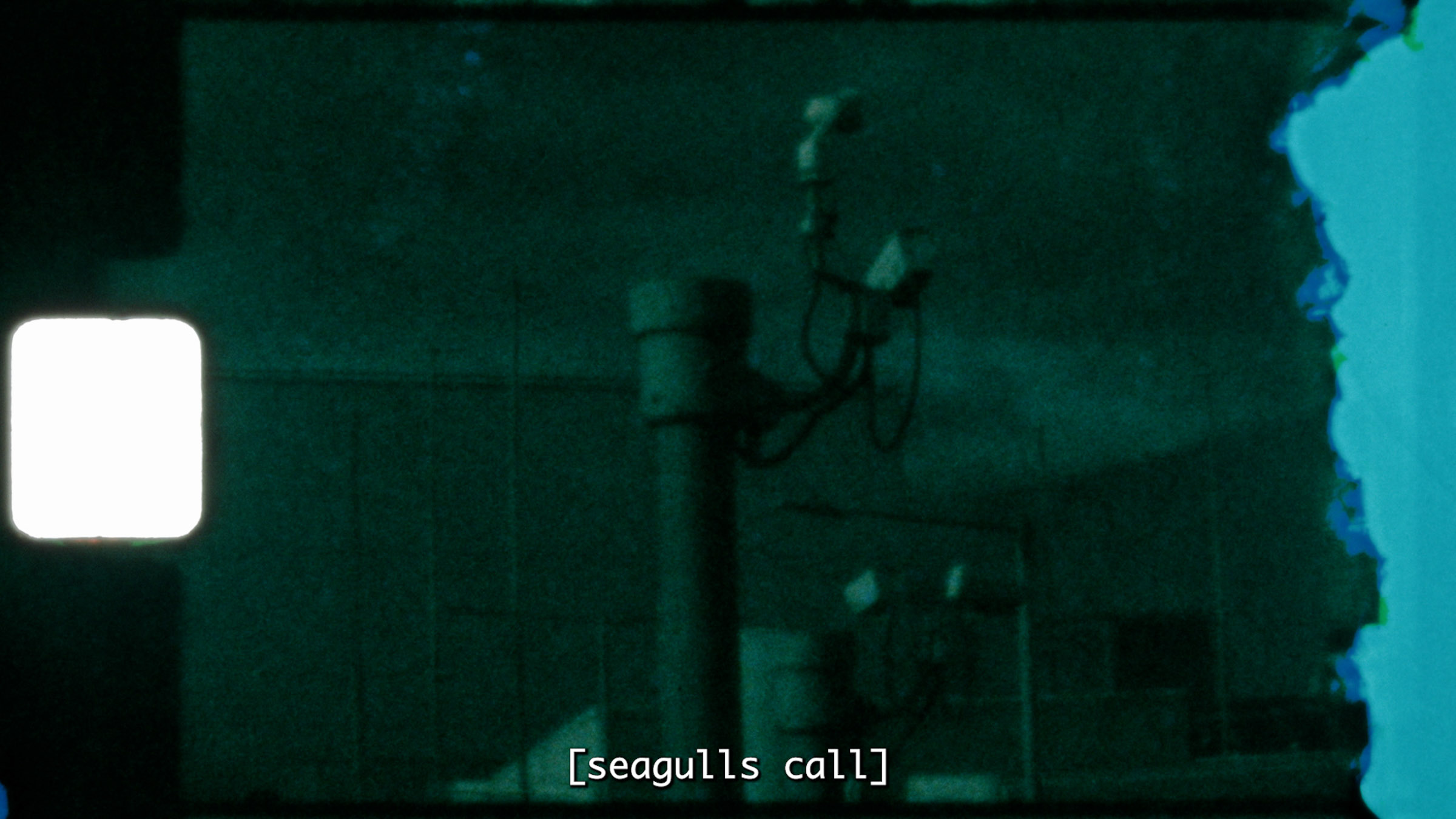
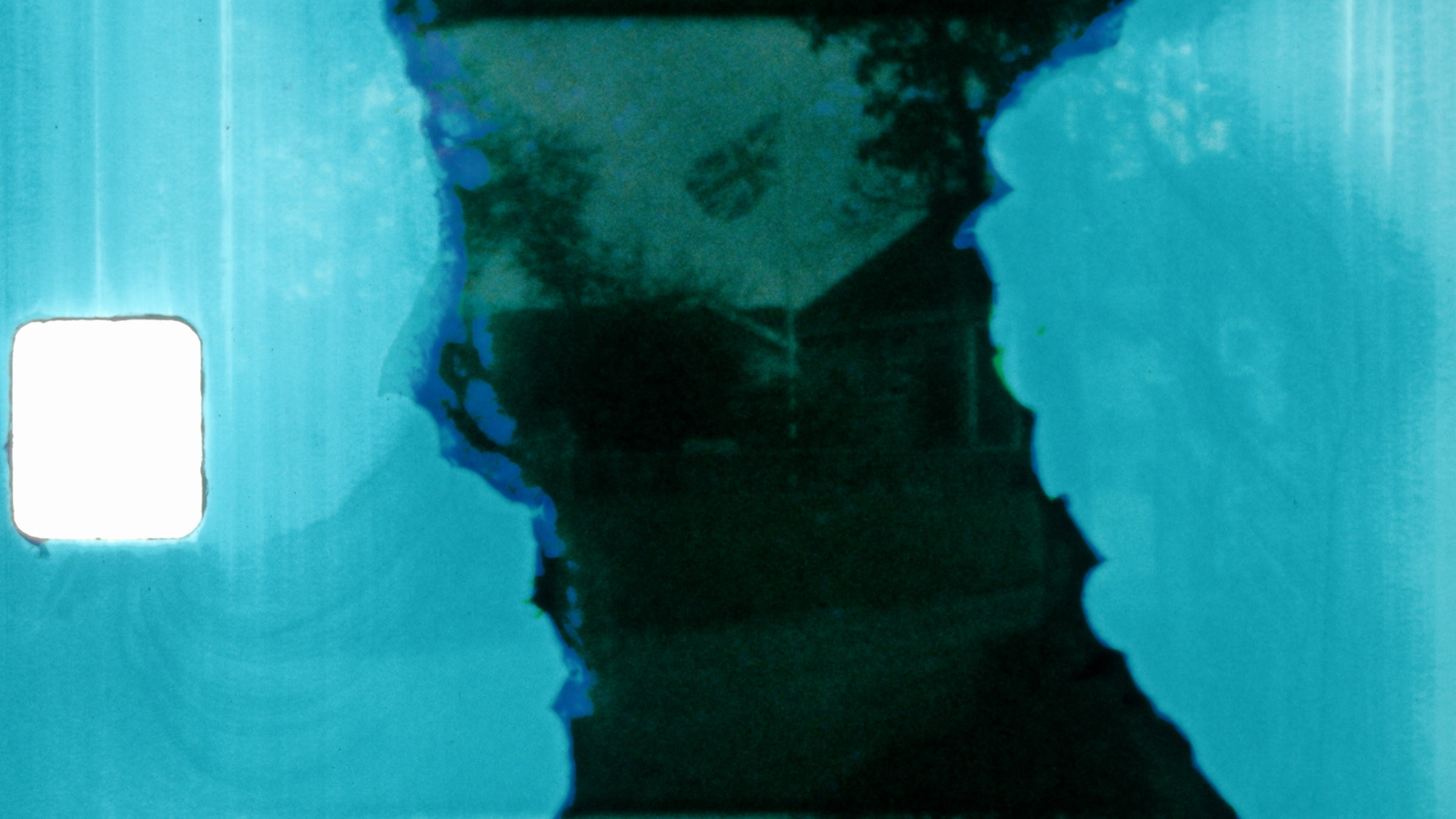
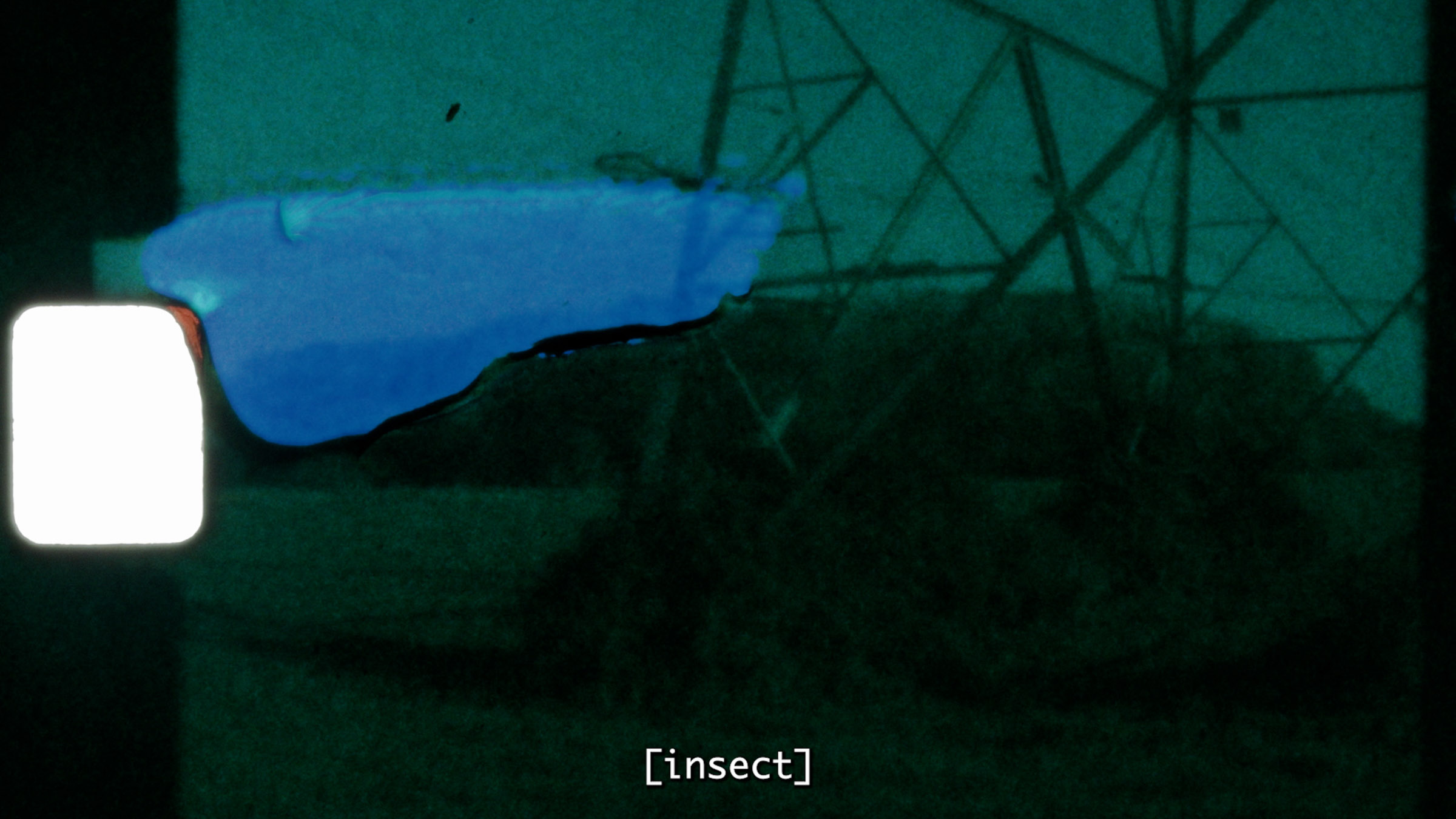
Film still from The Temporality of a Radiotrophic Fairy Ring, at 0:03
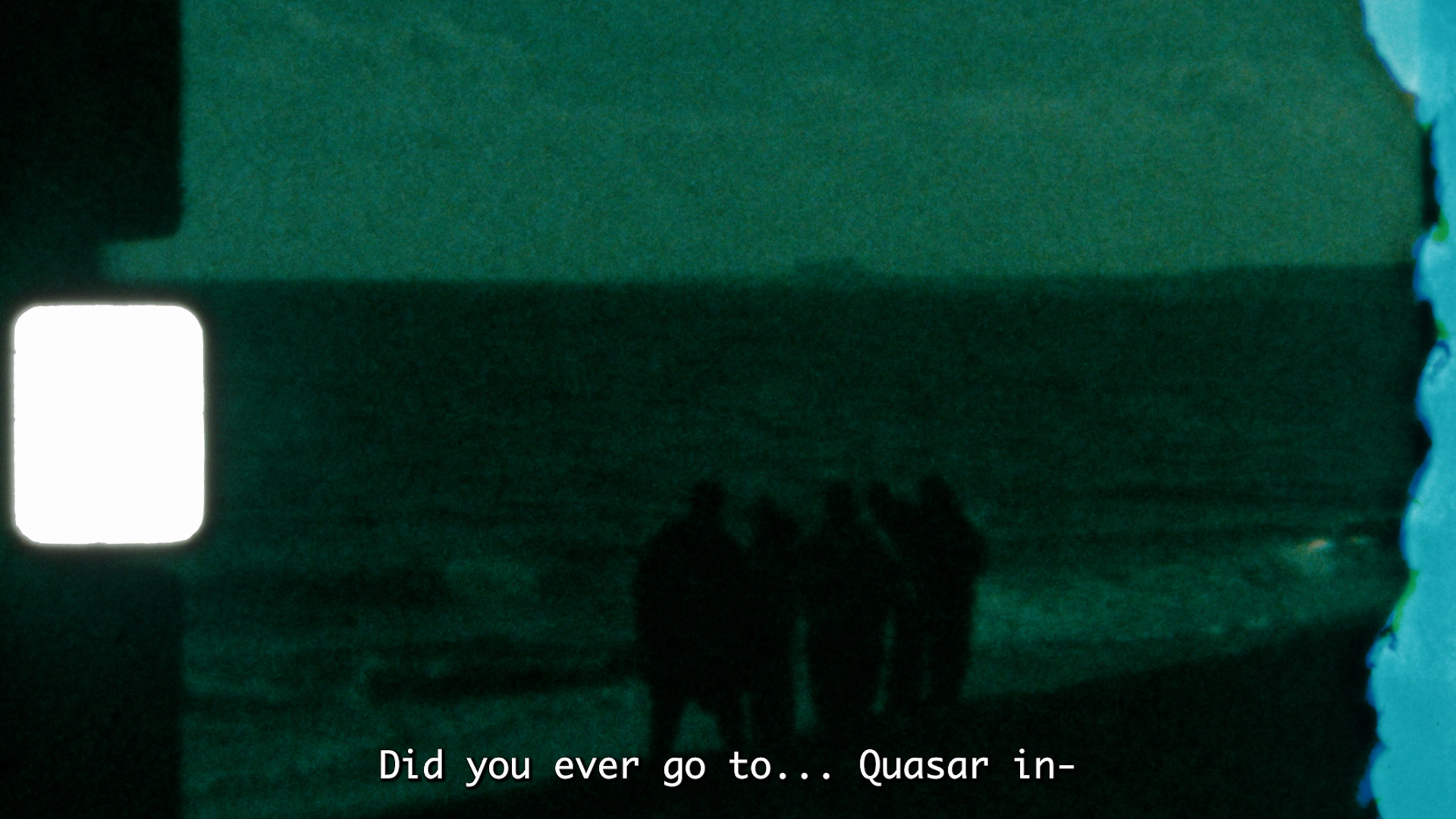
Film still from The Temporality of a Radiotrophic Fairy Ring, at 0:39
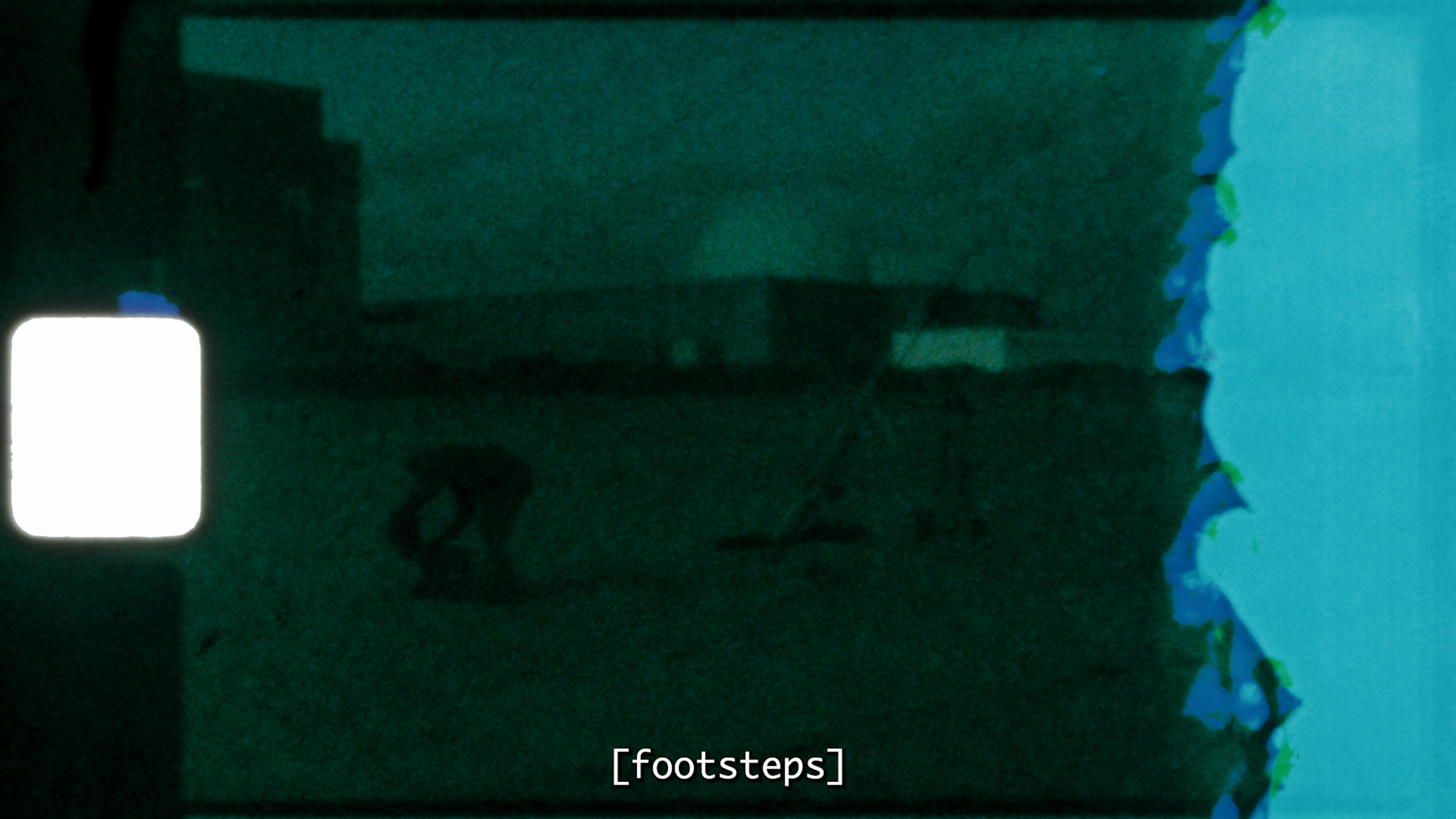
Film still from The Temporality of a Radiotrophic Fairy Ring, at 1:00
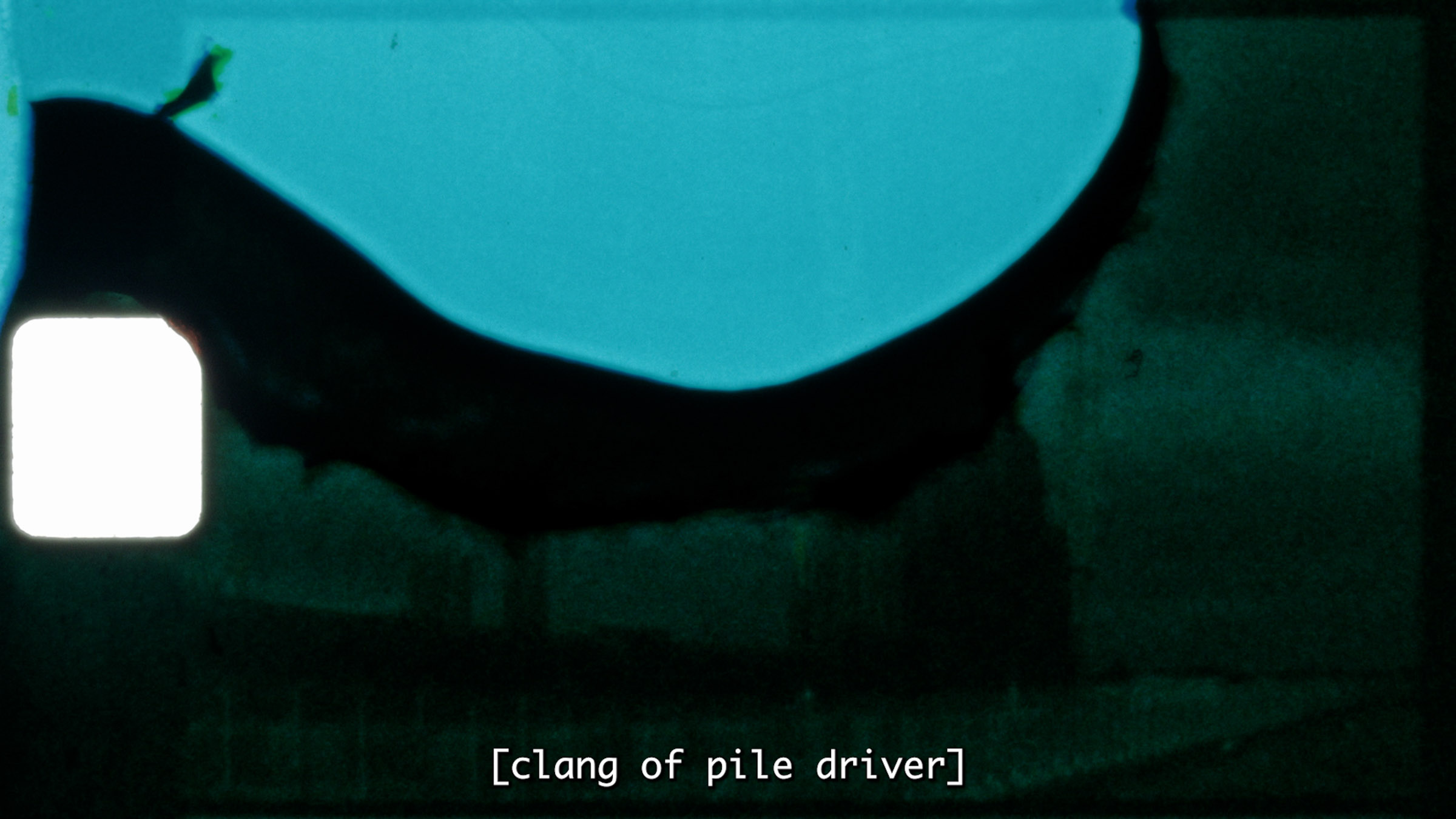
Film still from The Temporality of a Radiotrophic Fairy Ring, at 1:33
Film still from The Temporality of a Radiotrophic Fairy Ring, at 0:20
Film still from The Temporality of a Radiotrophic Fairy Ring, at 0:43
Film still from The Temporality of a Radiotrophic Fairy Ring, at 1:21
Film still from The Temporality of a Radiotrophic Fairy Ring, at 1:55

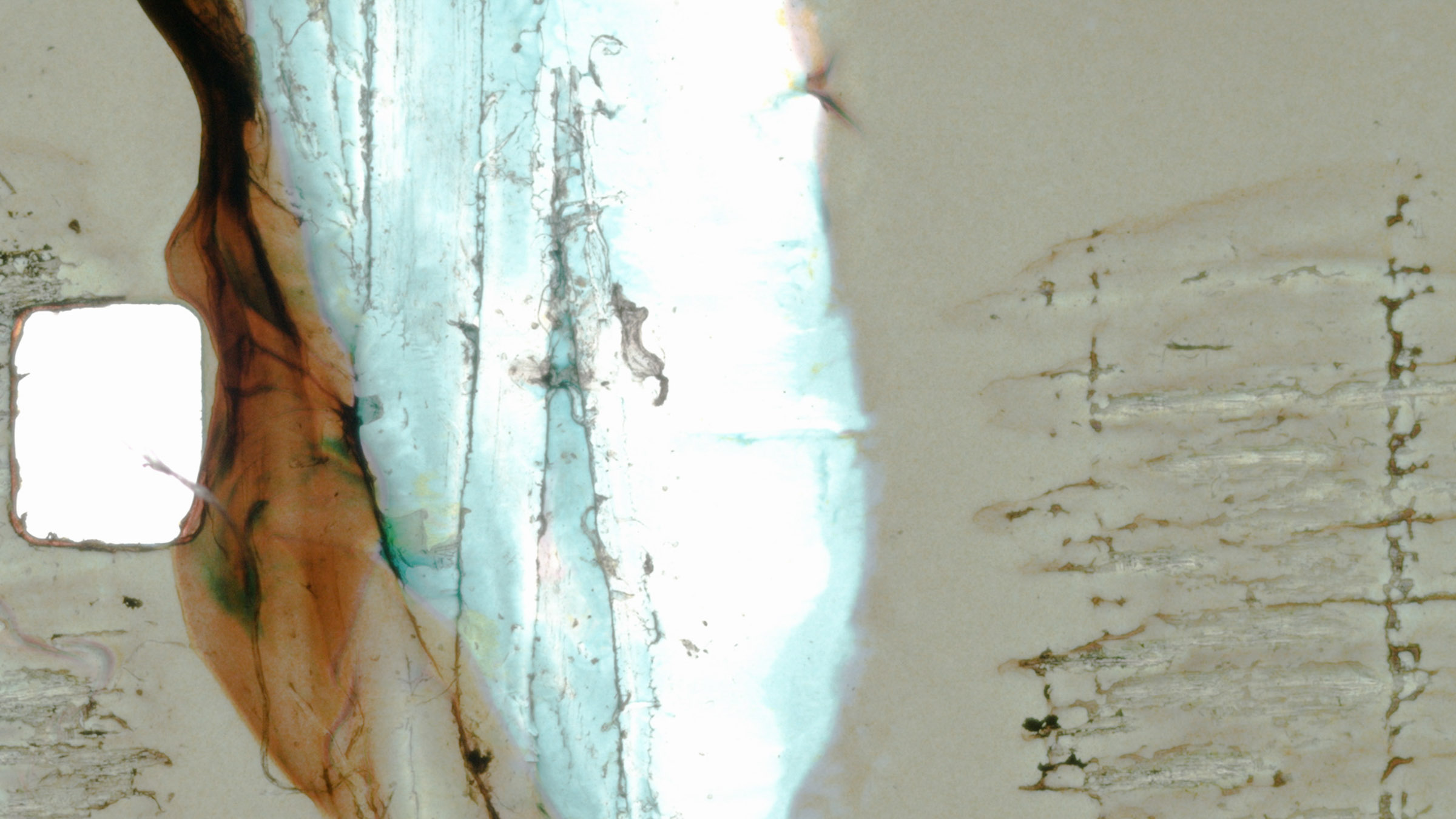
Film stills from the Temporality of a Radiotrophic Ring. Digitised Super-8 film with added field recordings and subtitles through Premiere Pro.
3 minutes, 50 seconds.
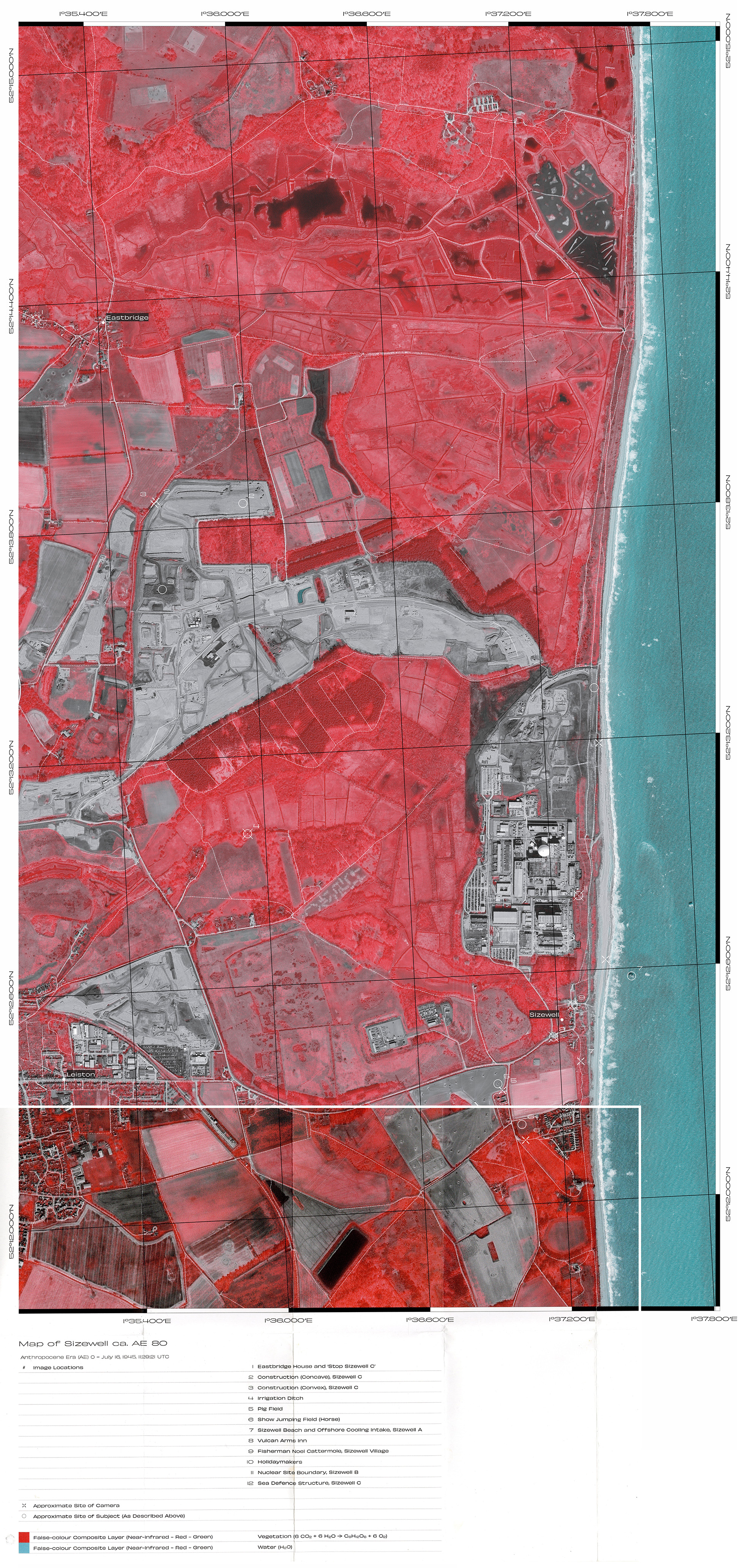
Map of Sizewell detailing land use change and locations of the photographs presented in the artist book. Data from Landsat NASA / USGS. Digital print from QGIS & Illustrator. 106 x 49.8 cm.
Map of Sizewell detailing land use change and
locations of the photographs presented in the
artist book. Data from Landsat NASA / USGS.
Digital print from QGIS & Illustrator. 106 x 49.8 cm.
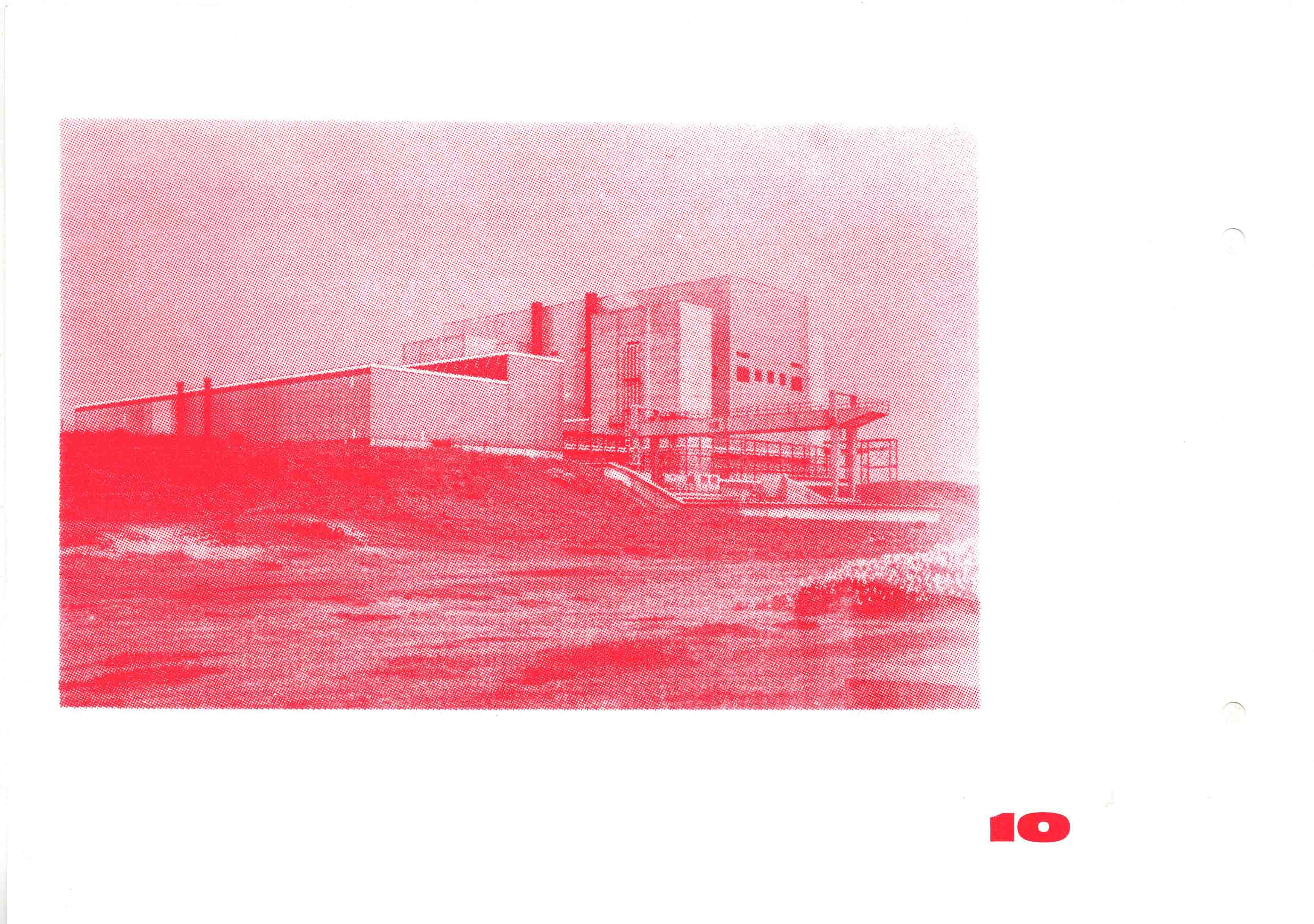
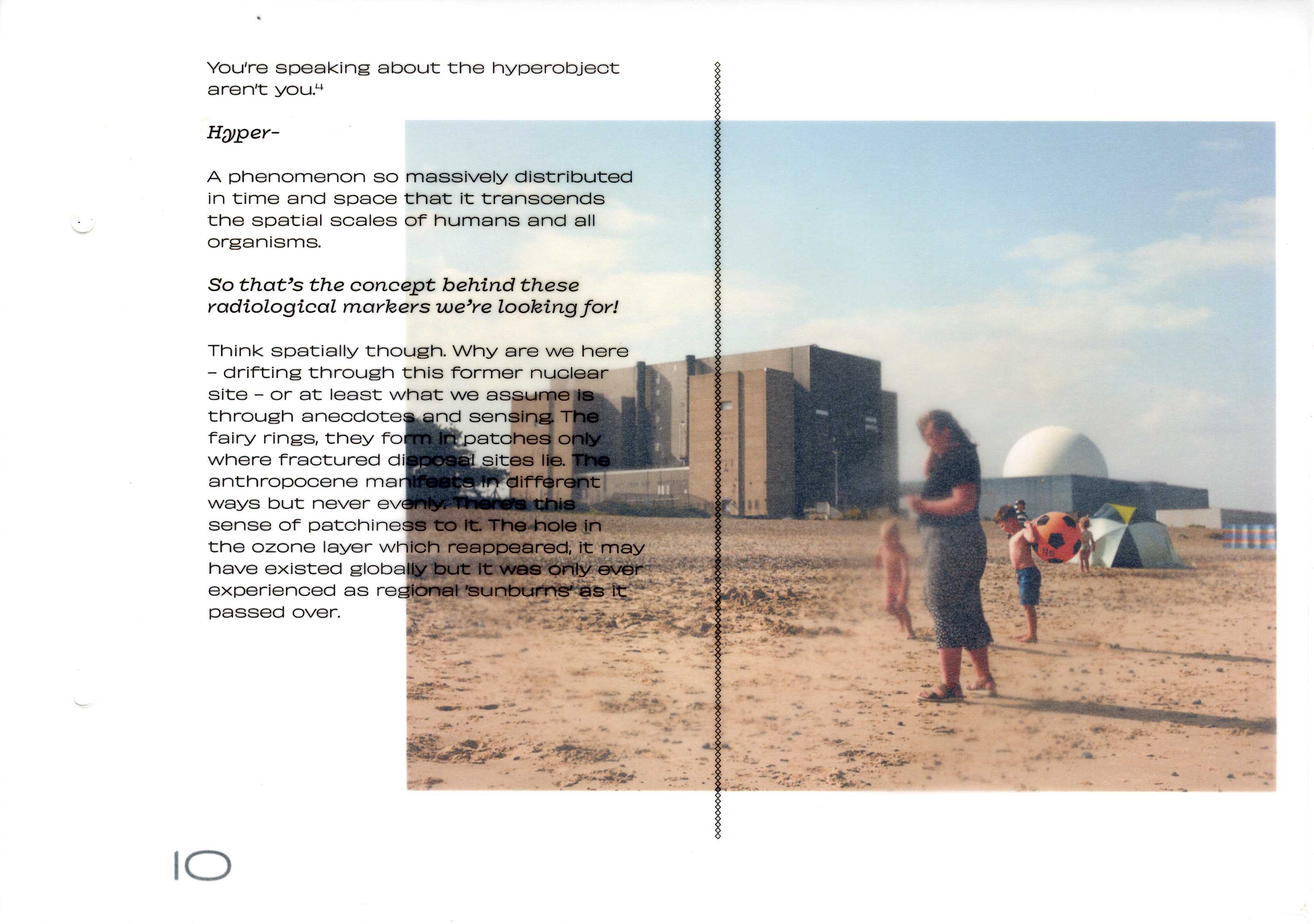
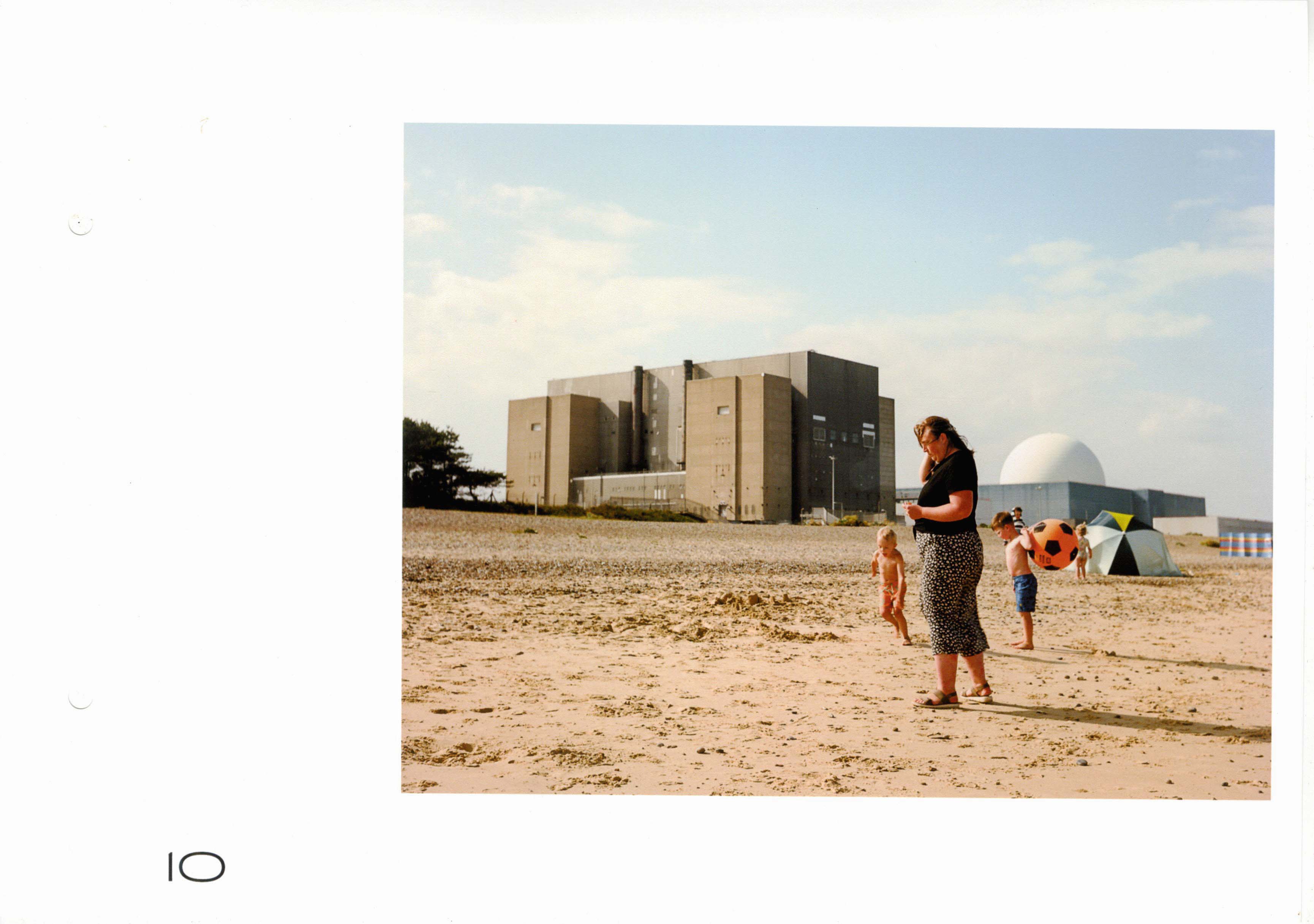
Scan of the artist book: Sizewell A. Digital & silkscreen prints on paper. 21 × 29.7 cm.
Scan of the artist book: text pages. Digital & silkscreen prints on paper. 21 × 29.7 cm.
Scan of the artist book: Sizewell B. Digital & silkscreen prints on paper. 21 × 29.7 cm.

Artist book. Digital & silkscreen prints on paper. 21 × 29.7 cm.

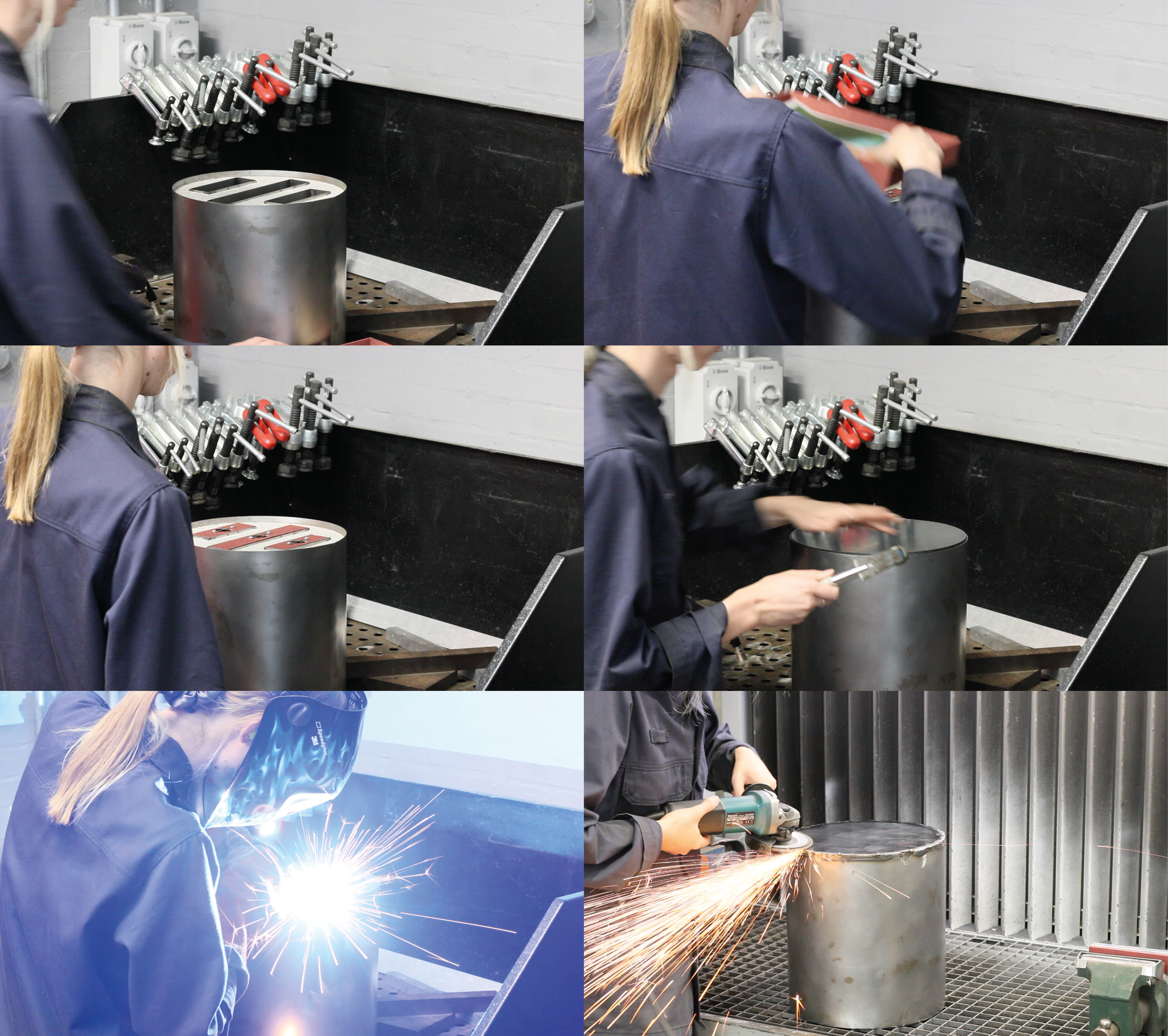
Work in progress documenting the burial of the nuclear silo with archival materials inside. Video. August 2026.
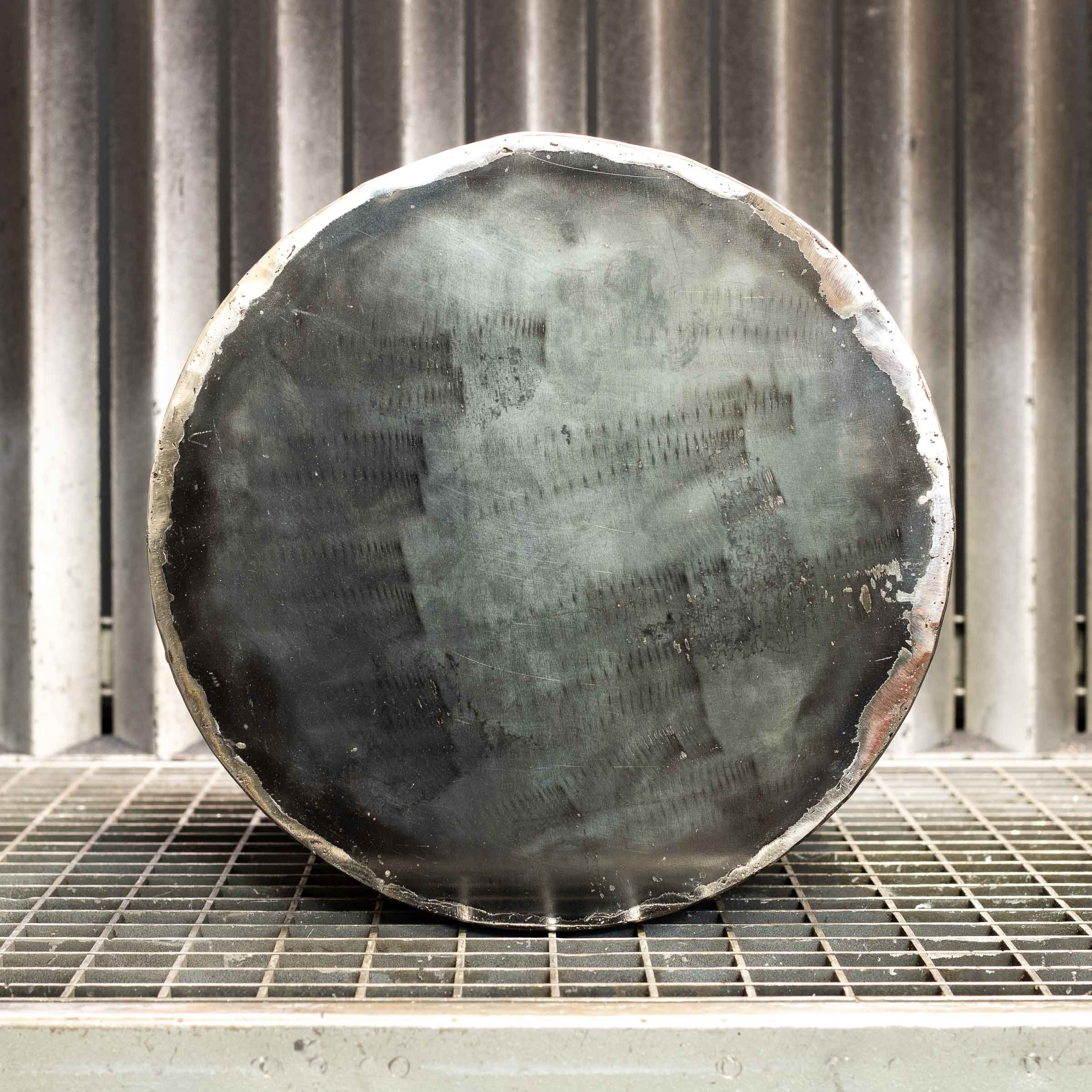
Nuclear silo welded shut with artist book, negatives, and map inside.
Right Nuclear silo welded shut with artist book, negatives, and map inside.

PRIVATE VIEW

Performance, silkscreen print, blacklight, key operated switch, steel frame.
Presented at RCA2026.

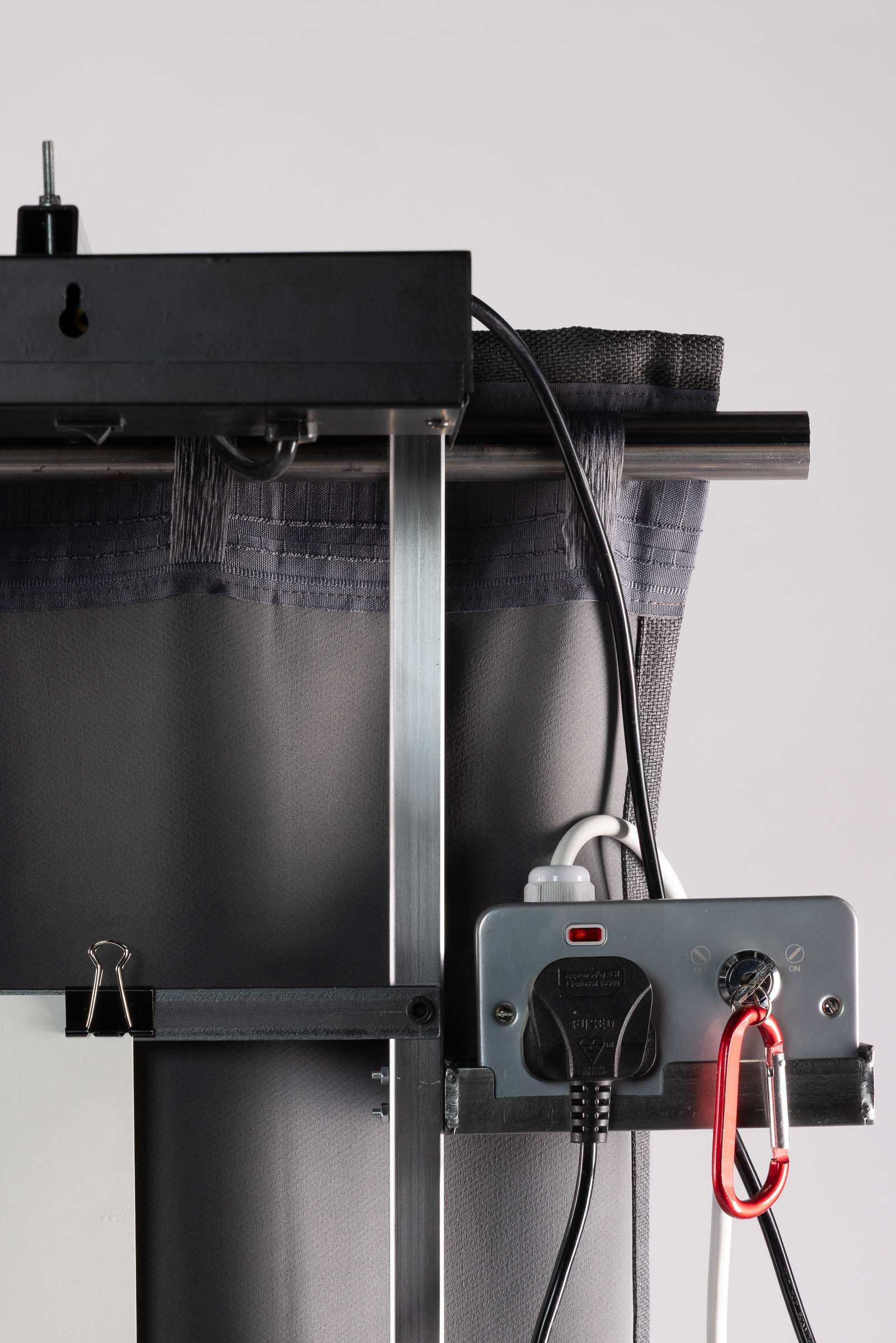
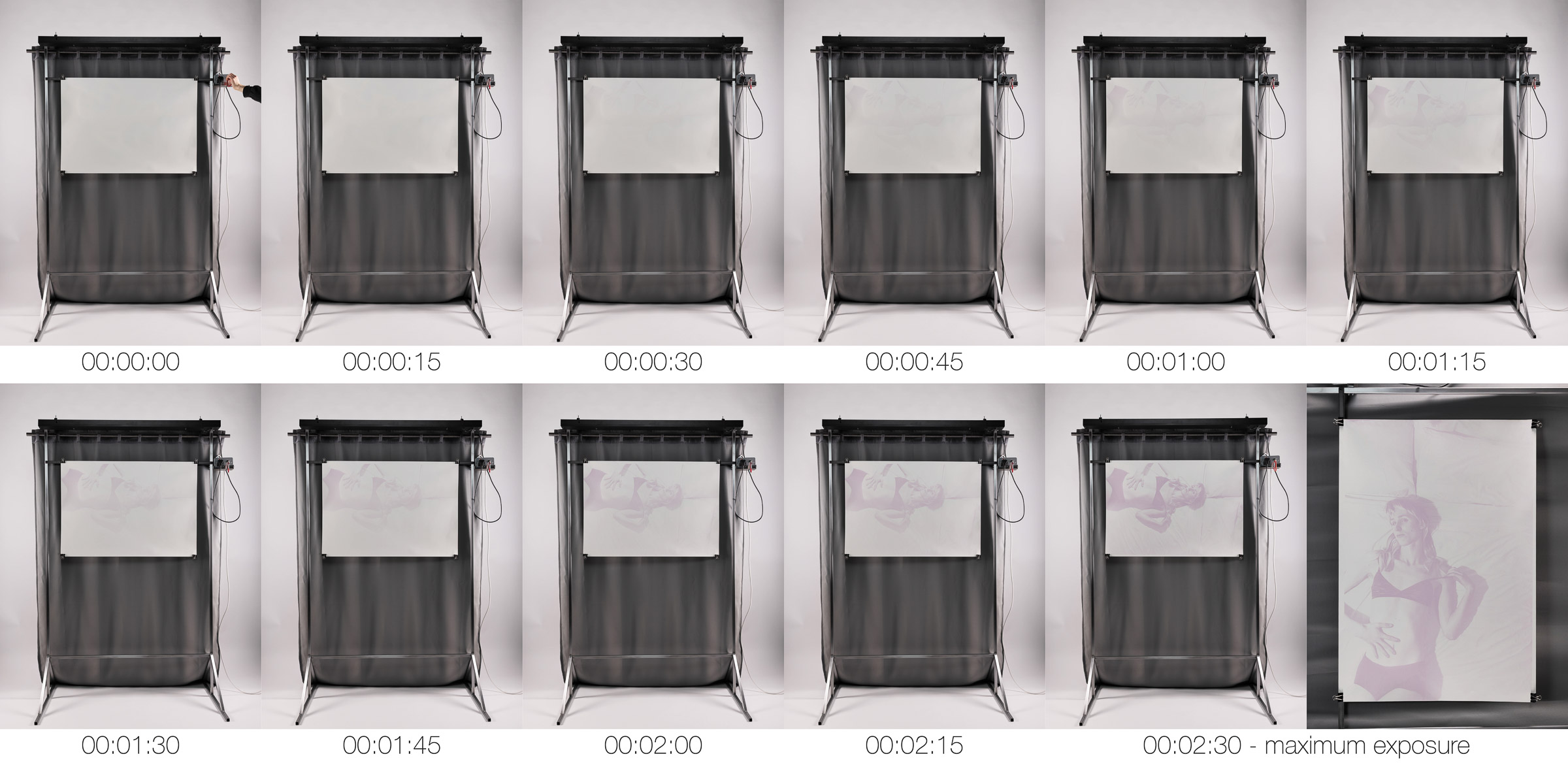
Private View traced lineages of artistic practices in the fields of institutional critique, relational aesthetics, and social practice. It was a comment on the modes of production, distribution, and consumption of art as media in the institutions of the digital age, as well as the objectification, control, and fetishisation of women’s bodies in art history. This was achieved through a discrete media object, a screenprint on paper made using photochromic ink. Screenprinted was an image of myself. The photochromic ink yields an invisible, or near-invisible result unless it is placed in direct sunlight or equivalent source of ultraviolet (UV) radiation. The screenprint was hung under a UV lamp in a gallery setting which, when illuminated, activated the photochromic ink on the paper to reveal the image of myself. This UV light was powered via a key operated light switch. Therefore, the artwork was only visible when the key was turned to ‘on’. This was the element which required the viewer’s participation and allowed a critical refusal to happen.

In order to view the artwork, I asked viewers in a performance why I should trust them to see the screenprint. If I deemed them trustworthy through a series of questions, I would ask them to take part in what I call the exchange: leaving me with their unlocked phone while they are given the key to ‘turn on’ the image. Upon return of the key, I gave them back their phone, and ‘switched off’ the image. During this time, the artist and participant exchanged glimpses into their respective private lives, while also ensuring that the viewer had no possible way of reproducing the image.
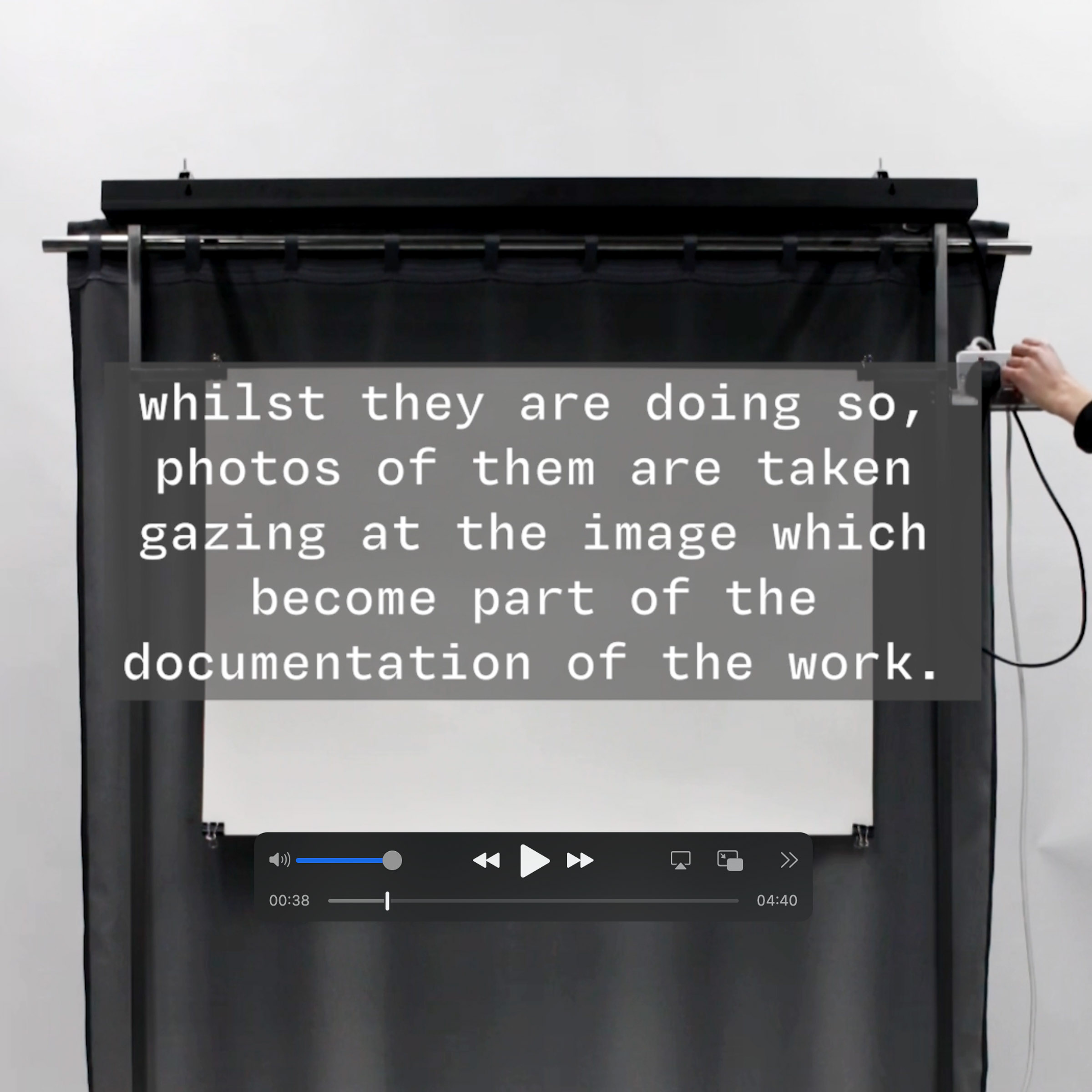
Film still from filmed performance.
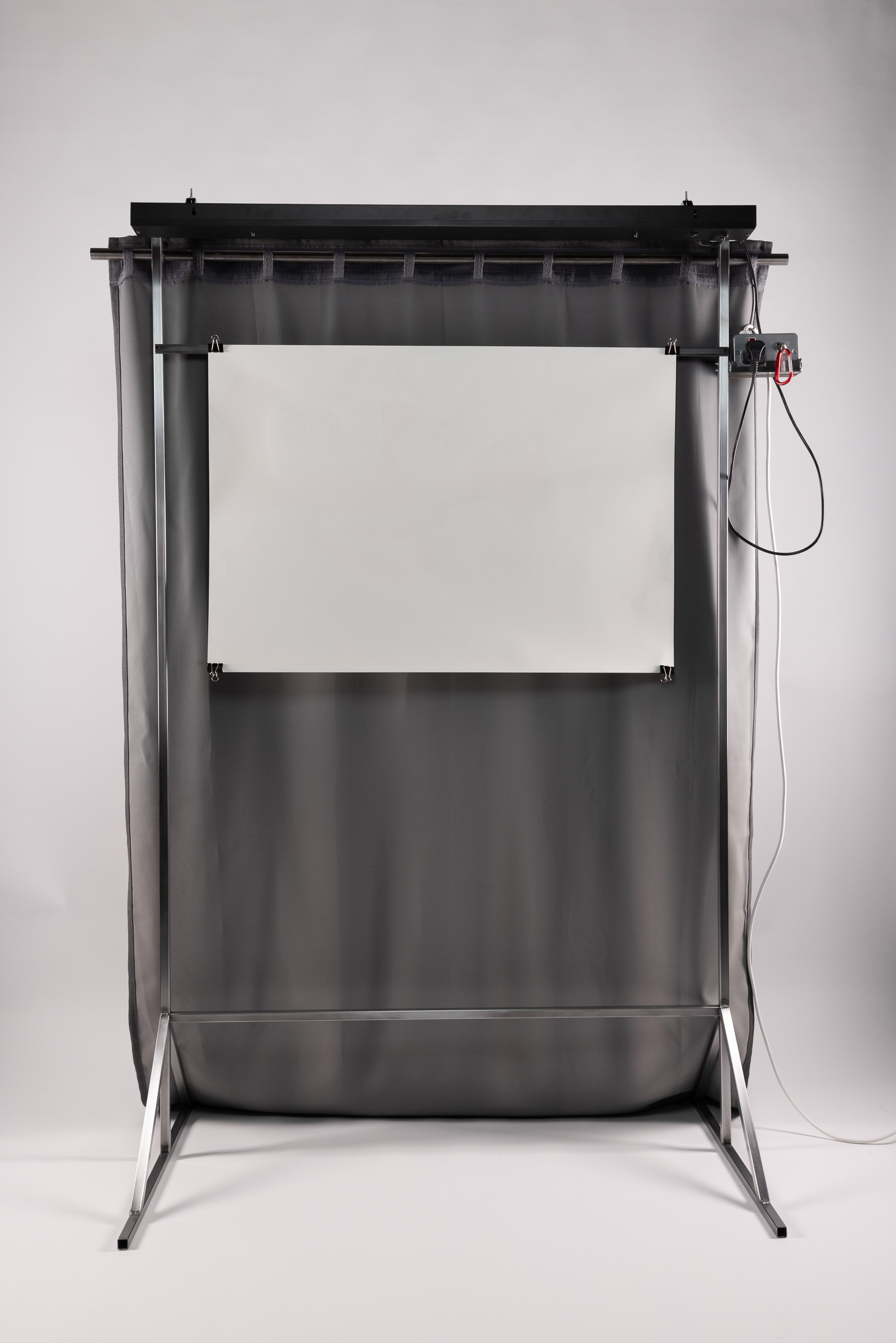
Front view with screenprint unilluminated. Steel frame, key operated switch, UV blacklight, curtain. 200 x 130 cm.
Front view with screenprint unilluminated. Steel frame, key operated
switch, UV blacklight, curtain. 200 x 130 cm.
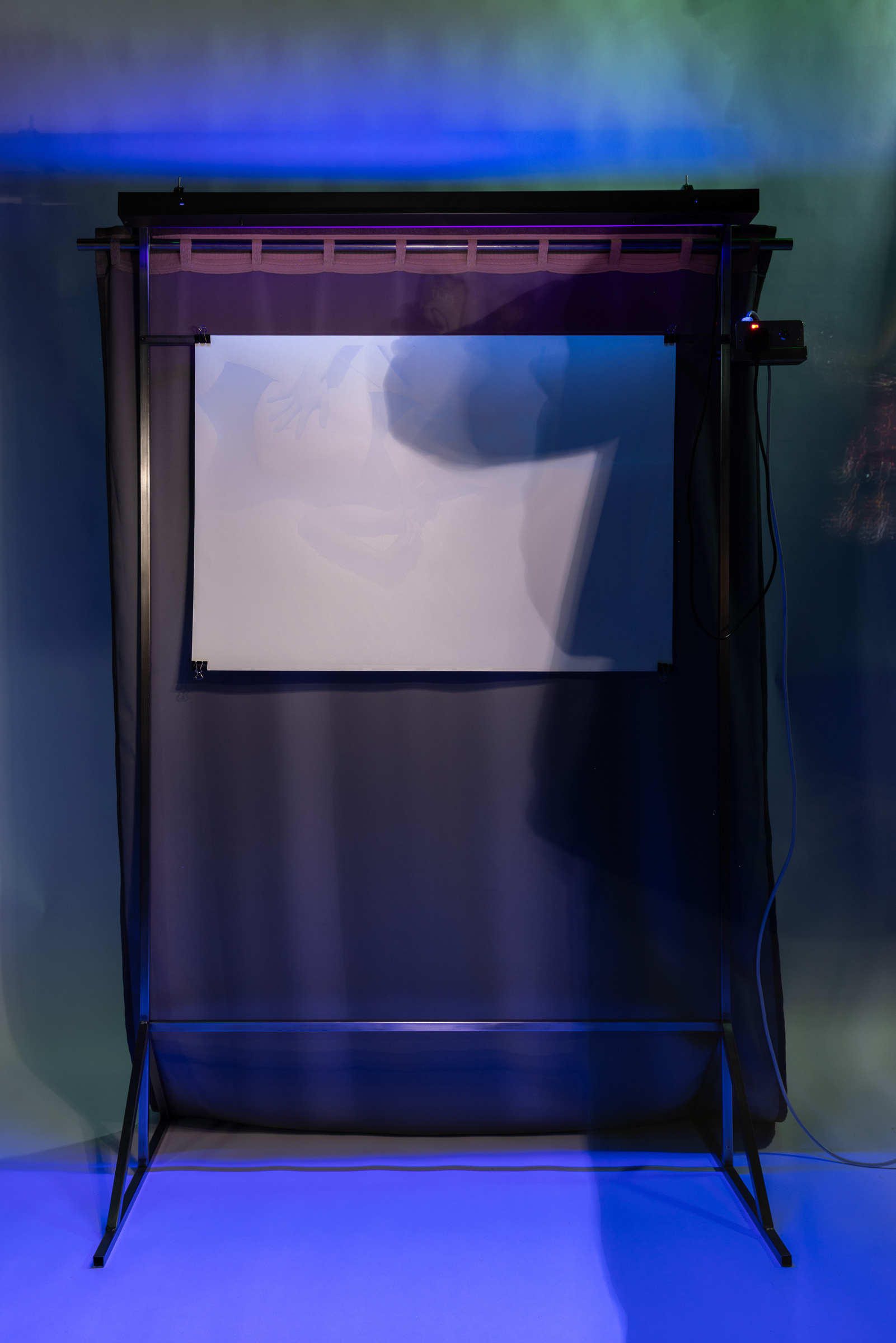
Front view with screenprint illuminated. Steel frame, key operated switch, UV blacklight, curtain. 200 x 130 cm.
Front view with screenprint illuminated. Steel frame, key operated switch, UV
blacklight, curtain. 200 x 130 cm.
Detail of key operated switch.
Print exposure timeline.
Jump to top